Tour Duration: 08 Nights/ 09 Days
Tour Destination: Delhi – Jaipur – Agra – Varanasi
North India Highlights, Tour weave through Delhi, Jaipur, Agra, and Varanasi, blending Mughal grandeur, Rajasthani royalty, and spiritual Ganges vibes. Ideal for culture seekers exploring iconic sites like Jama Masjid, Taj Mahal, Amber Fort, and Varanasi Ghats.
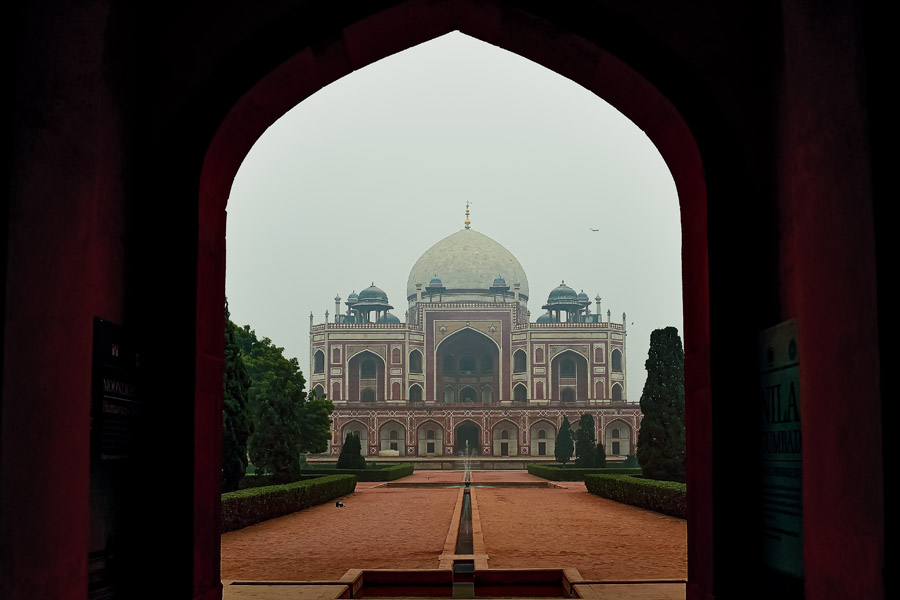
The tour starts in Delhi with Old Delhi's bustling Jama Masjid—India's largest mosque—and a thrilling cycle rickshaw ride through Chandni Chowk's vibrant bazaars. Honor Mahatma Gandhi at serene Raj Ghat, then cruise past India Gate and Rashtrapati Bhavan. Marvel at Qutub Minar’s towering red sandstone spire with its rust-free Iron Pillar, and Humayun’s Tomb, the Taj's architectural blueprint.
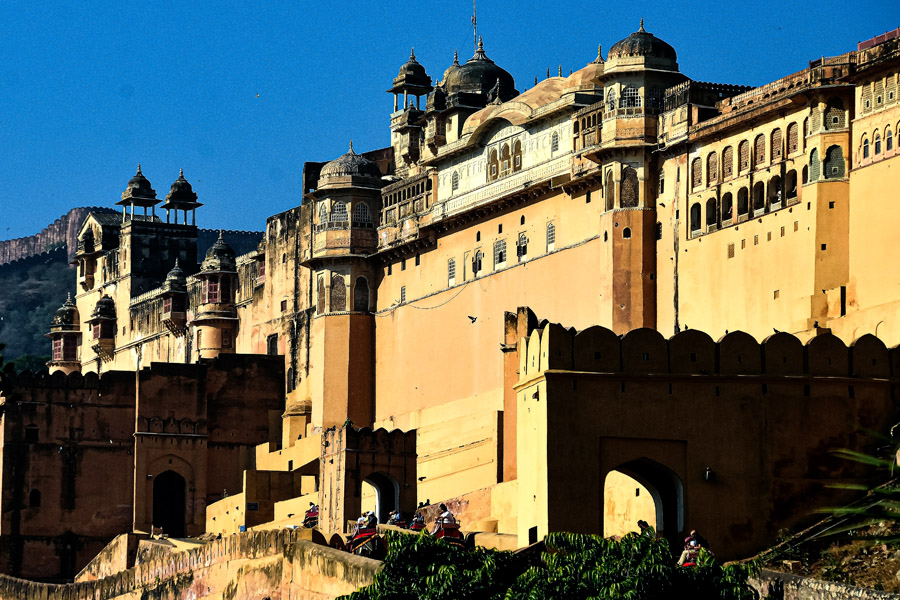
Marval the Rajasthani opulence in its forts and palaces in Jaipur. Ascend Amber Fort on elephant back amid opulent palaces and mirror halls. Admire Hawa Mahal's 953-window facade, City Palace's royal artifacts, and Jantar Mantar's ancient observatory.
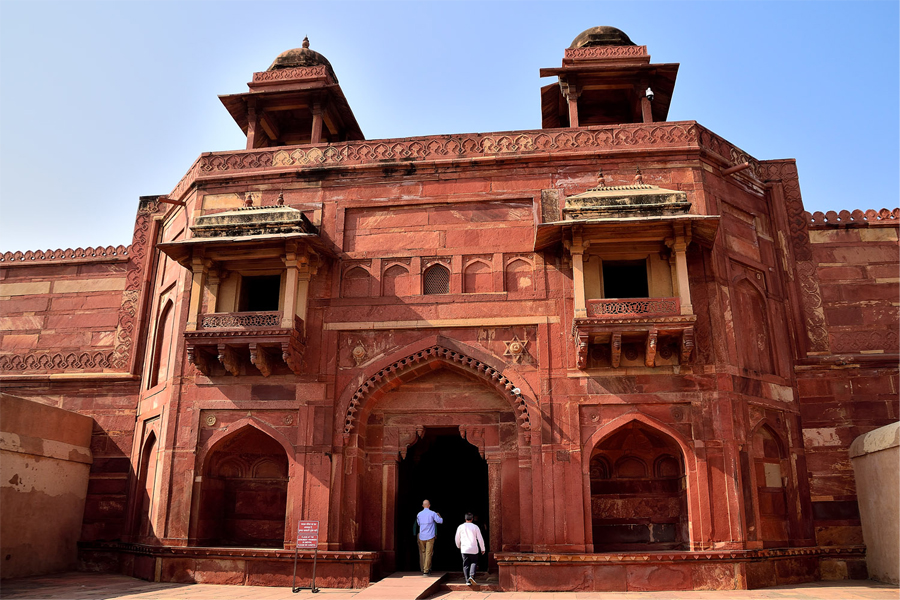
Get awed by the Fatehpur Sikri's preserved Mughal courts while driving from Jaipur to Agra.
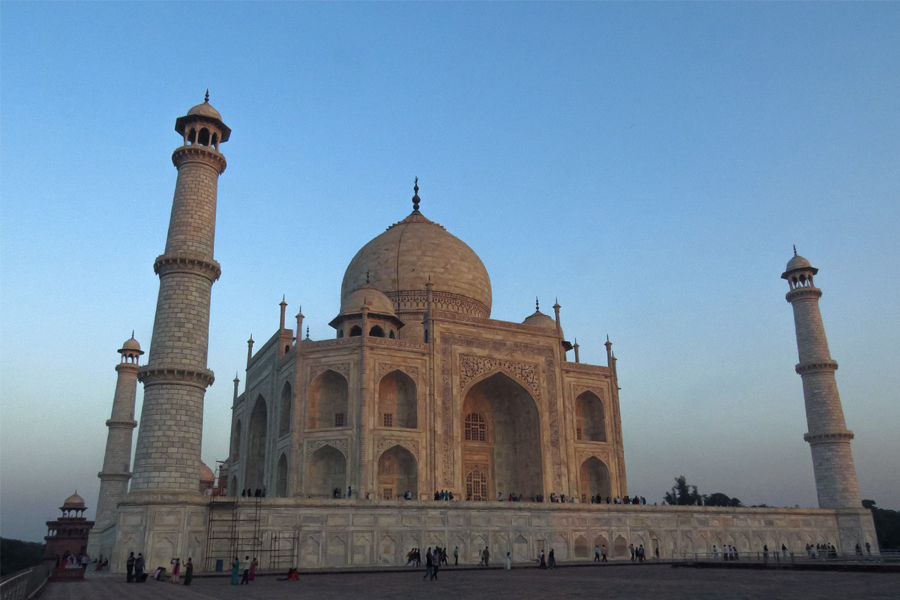
In Agra, observe the sunrise at the Taj Mahal an ultimate testimony to eternal love, an overwhelming sight when monument changes is moods along with the glowing lights of the rising sun. Witness the Mughal might at Agra Fort and get mesmerized by Itmad-ud-Daulah Tomb’s marble inlays. Watch sunset from Mehtab Bagh to see different moods of the Taj Mahal from the opposite bank of the river.
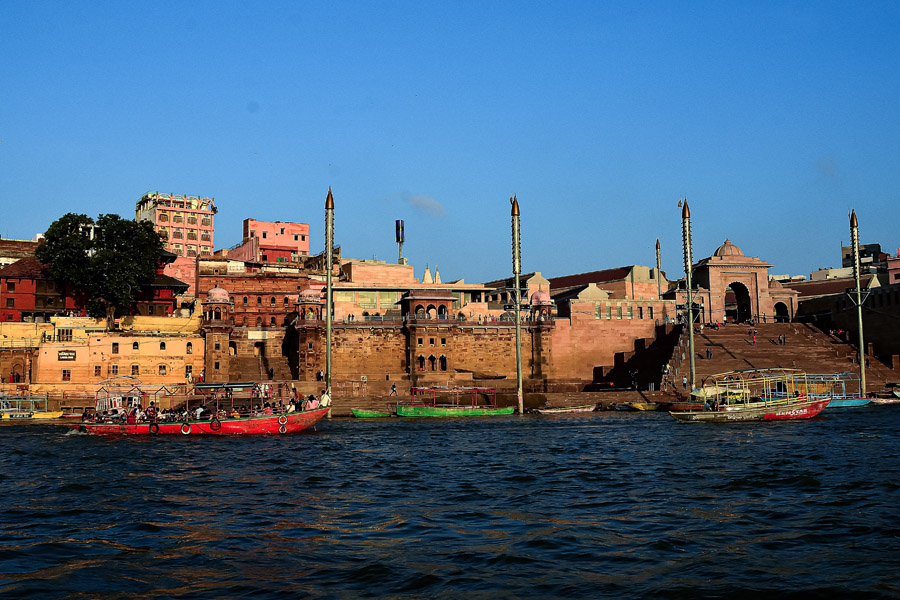
Explore Varanasi, the world's oldest living city, nestles on bank of River Ganges. Immerse in the spiritual richness here. Take a dawn boat ride on the river observing the celebration of life and harsh reality of death at the same time from a close quarter. Watch evening prayers on the riverfront evoking your spiritual awakening. Visit Sarnath to see the sites where Lord Buddha preached his first sermon. Varanasi is a pure spiritual immersion.
This itinerary packs history, architecture, spiritualism and North Indian heritage over scenic drives perfect for unforgettable India adventures.
Day 01 - Arrive Delhi.
Day 02 – An orientation and tour briefing in the morning, followed by a full-day sightseeing tour of Old and New Delhi.
In Old Delhi visit Jama Masjid, take a rickshaw ride in bustling Chandni Chowk and visit Raj Ghat.
On finishing the visit to Old Delhi, drive towards New Delhi stopping by enroute briefly to explore the Central Delhi.
Later, in the day visit two important monuments in New Delhi – Qutab Minar and Humayun Tomb.
Day 03 – Morning drive to Jaipur (270 Km).
In the afternoon visit City Palace and Jantar Mantar (astronomical observatory).
Day 04 – Morning, depart on an excursion to Amber Fort (11 Km one way) with an elephant ride (optional). Stop at Hawa Mahal enroute to the fort.
While returning to the city briefly stop at Jal Mahal.
Afternoon at leisure or free for optional activities.
Day 05 – Morning drive to Agra stopping by enroute to visit one of the largest and the oldest stepwells in India at Abhaneri and deserted capital of Fatehpur Sikri (260 Km total).
Day 06 – Early morning visit Taj Mahal by sunrise.
Return to hotel for breakfast, followed by a visit to the Agra Fort, the symbol of the Mughal might in India.
Afternoon visit tomb of Itmad-ud-daulah and Mehtab Bagh to see sunset on the Taj Mahal.
Day 07 – Early morning, take the train from Agra to Varanasi.
Early evening transfer to the riverfront to see evening prayer (aarti) on the Ganges.
Day 08 – Early morning transfer to riverfront for an early morning boat ride in the Ganges followed by walking tour in the alleyways of Old Varanasi to Kashi Vishwanath Temple (Optional).
Later in the morning proceed on an excursion to Sarnath to visit ancient Buddhist sites.
Afternoon at leisure to explore Varanasi on your own.
Day 09 – Morning sightseeing tour of Varanasi visiting some of the important sites like Bharat Mata Temple, Banaras Hindu University, Bharat Kala Bhavan and Sankat Mochan Hanuman Temple.
Afternoon fly to Delhi to connect international flight.
Arrive Delhi and transfer to the international airport to board the flight for onward destination.
Day 01 - Arrive Delhi
Arrive IGI airport Delhi. Met by our representative upon arrival at the international airport and transferred to the hotel.
Overnight at hotel.
Day 02 – Delhi
An orientation and tour briefing in the morning is followed by a full-day sightseeing tour of Old and New Delhi.
In Old Delhi visit Jama Masjid, take a rickshaw ride in bustling Chandni Chowk and visit Raj Ghat.
Jama Masjid - the last architectural extravagance of the emperor Shah Jahan, which he built shortly after the completion of Red Fort. The largest mosque in India, its courtyard and surroundings can accommodate 25000 devotees to offer prayer at a time.
Chandni Chowk, now a bustling market place (in fact, one of the largest wholesale markets in the world) was a flamboyant bazaar for the novels during Mughal era and it holds a lot of historical importance. Exploring the narrow alleyways of Chandni Chowk on a cycle rickshaw is an experience by itself.
Cremation site of Father of the Nation ‘Mahatma Gandhi’, Raj Ghat now boats gardens and a memorial.
On finishing the visit to Old Delhi, drive towards New Delhi stopping by en route briefly to explore the Central Delhi.
Developed after 1911, when British decided to sift their capital from Kolkata to Delhi, Indo-Saracenic architecture, large boulevards, and a good green cover mark the character of central Delhi area. Drive pass government buildings (President House, North and Soth Block and Parliament House) are some of the most prominent structures here) and India Gate built in memory of 70,000 Indian soldiers who lost their lives during the First World War fighting for the British. This arch built in 1921 is a prominent site in Delhi.
Later, in the day visit two important monuments in New Delhi – Qutab Minar and Humayun Tomb.
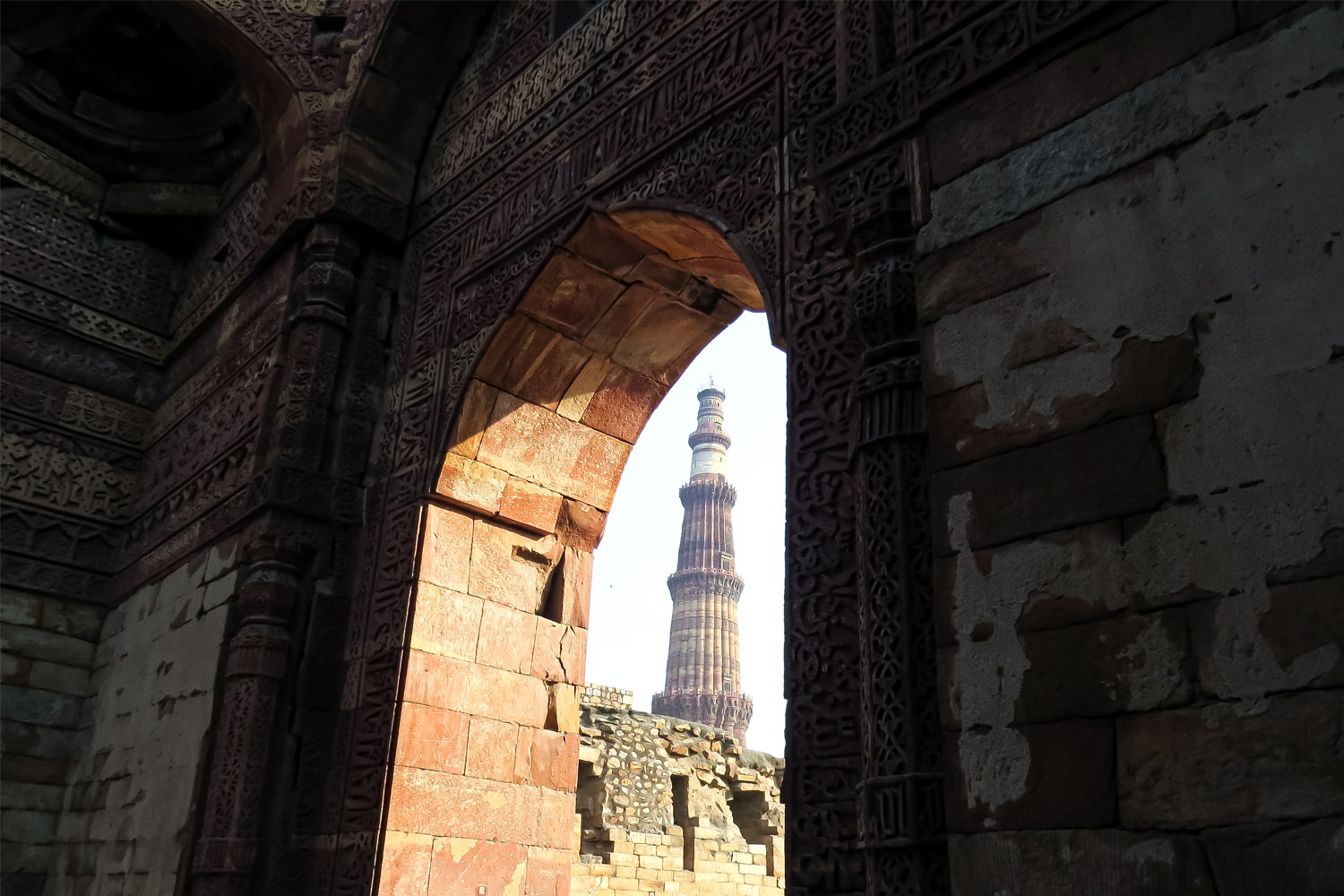
Qutab Minar - built in red sandstone during the early 13th century and standing 72.5 m tall, tapering from 2.75 m in diameter at its peak to 14.32 m at the base, it is not only one of the tallest towers of its time but the tallest brick tower in the world. The tower is ornamented with intricate stone carvings and the walls consist of verses from the Koran (the holy book of Islam). The Complex also hosts mosques and a 5th/ 6th-century BC Iron Pillar (in the courtyard of the mosque) which has not rusted even after 2000 years.
Humayun Tomb, the pioneer of Mughal architecture in India. This 16th-century colossal monument is considered to be an early masterpiece that decisively influenced the design of the later Mughal architecture including the Taj Mahal. A fusion of Persian and Hindu architectural influence is visible in this monument. Built in the middle of a four-cornered garden it is one of the best-preserved Mughal monuments in Delhi. End the day with a visit to
Overnight at hotel.
Day 03 – Delhi to Jaipur
Morning drive to Jaipur (270 Km).
Arrive Jaipur and check in at hotel.
In the afternoon visit City Palace and Jantar Mantar (astronomical observatory).
City Palace, the official residence of the present royal family. City Palace covers a large area divided into series of courtyards, gardens, and residential buildings. A part of City Palace is turned into a museum now housing Armoury, Textiles, and Artifacts. The City Palace is a delightful blend of Mughal and traditional Rajasthani architecture.
Jantar Mantar a 17th-century astronomical observatory adjacent to City Palace. An excellent example of marvelous precision wherein each instrument constructed in Jantar Mantar has a specific purpose of measuring the position of stars, altitudes, and azimuths or calculate eclipses. Some of them still work quite accurately even today.
Overnight at hotel.
Day 04 – Jaipur
Morning, depart on an excursion to Amber Fort (11 Km one way) with an elephant ride (optional). Stop at Hawa Mahal enroute to the fort.
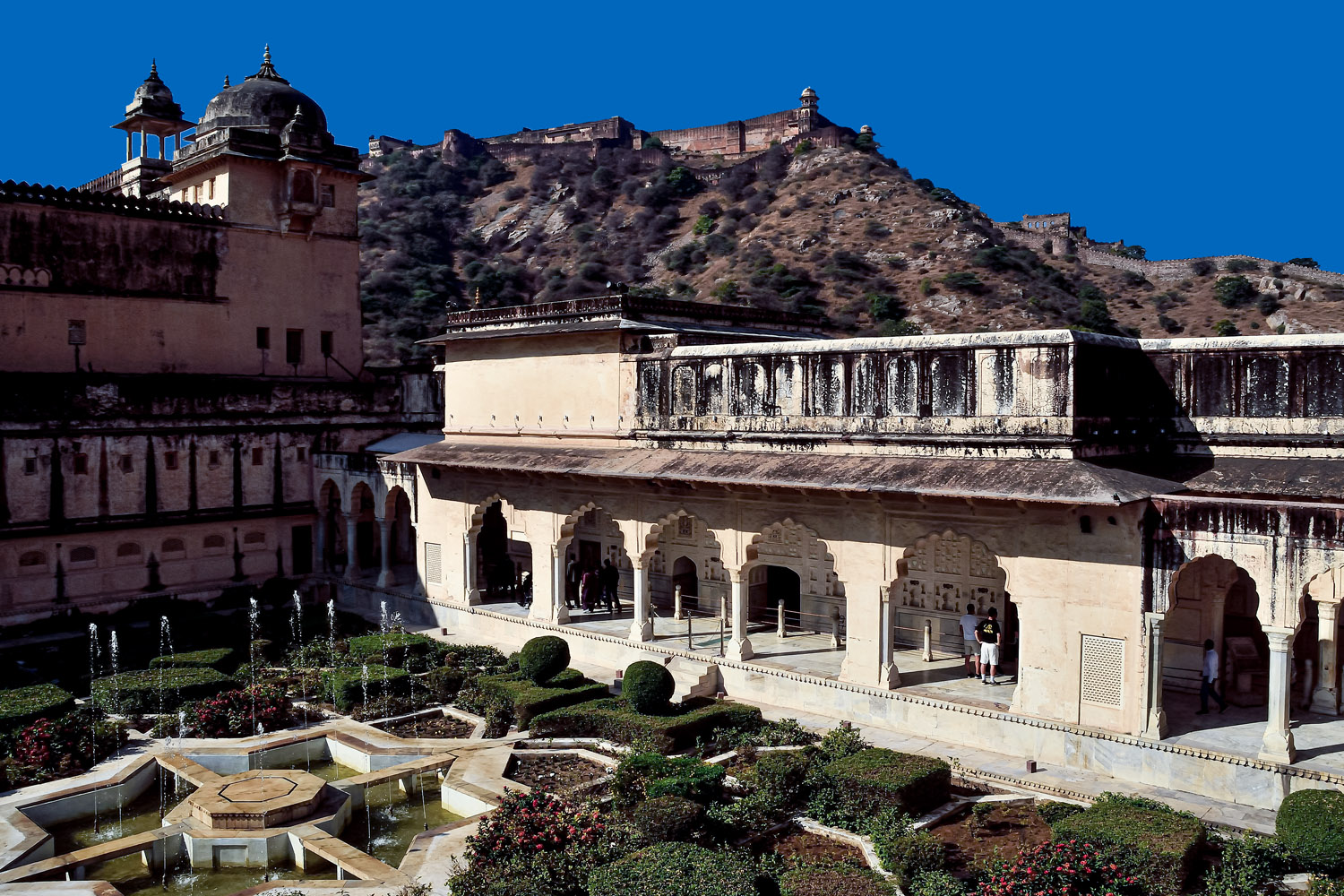
Amber Fort - the ancient capital of Kachhawaha Rajput rulers of Jaipur, Amber guarded one of the important defiles from invading enemies. Walk inside the Fort to explore extravagant palaces to behold the magnificence of Rajput's royal lifestyle. The Summer Palace, Winter Palace, Mirror Palace, Ganesh Pol, and Diwan-e-am are some of the most popular spots here. You have an option to climb atop the fort’s ramparts on an elephant's back.
Hawa Mahal - built in 1799 by Maharaja Sawai Pratap a five-story façade in red sandstone with 953 small windows, Hawa Mahal or the Palace of Winds (actually a part of the City Palace) was built to allow ladies in the palace to observe everyday life on the street below without being seen. However, today Hawa Mahal has become the emblem of Jaipur.
While returning to the city briefly stop at Jal Mahal or the water palace that served as a summer retreat and duck hunting lodge in the middle of Man Sagar Lake.
Afternoon at leisure or free for optional activities (one can explore the local markets OR take a guided Heritage walk in the old city area OR take a local street food walk OR opt for a Leopard viewing safari at Jhalana Leopard Safari in the outskirts of the city).
Overnight at hotel.
Day 05 – Jaipur to Agra
Morning drive to Agra stopping by enroute to visit one of the largest and the oldest stepwells in India and deserted capital of Fatehpur Sikri (260 Km total).
A 90 Km drive from Jaipur is Abhaneri, one of the oldest settlements in Rajasthan which boasts of an ancient temple of the local deity Goddess of Happiness and Mirth here. Temple is now in ruins and pieces of the sculptures showing a fine degree of craftsmanship lie scattered around the nearby 10th-century Chand Baori (step-well), one of the oldest and biggest in India, also the highlight of the visit here. It is believed that the well is an indigenous invention of the locals for rainwater harvesting. This thirteen-level stepwell is well fortified with flights of steps on the three sides and a palace on the one is an interesting piece of architecture.
Continue another 131 Kms from Abhaneri to Fatehpur Sikri.
Fatehpur Sikri briefly served as the capital of Mughal Empire during the reign of Emperor Akbar. It is believed, that the city was quickly abandoned due to lack of potable water. The palaces, meeting halls, and courtyards all built in red sandstone inside the complex are in a remarkable state of preservation.
Continue drive to Agra (44 Km/ 1 ½ Hrs. approx.) on finishing the visit.
Arrive at Agra and check-in at hotel.
Overnight at hotel.
Day 06 – Agra
Early morning visit Taj Mahal by sunrise.
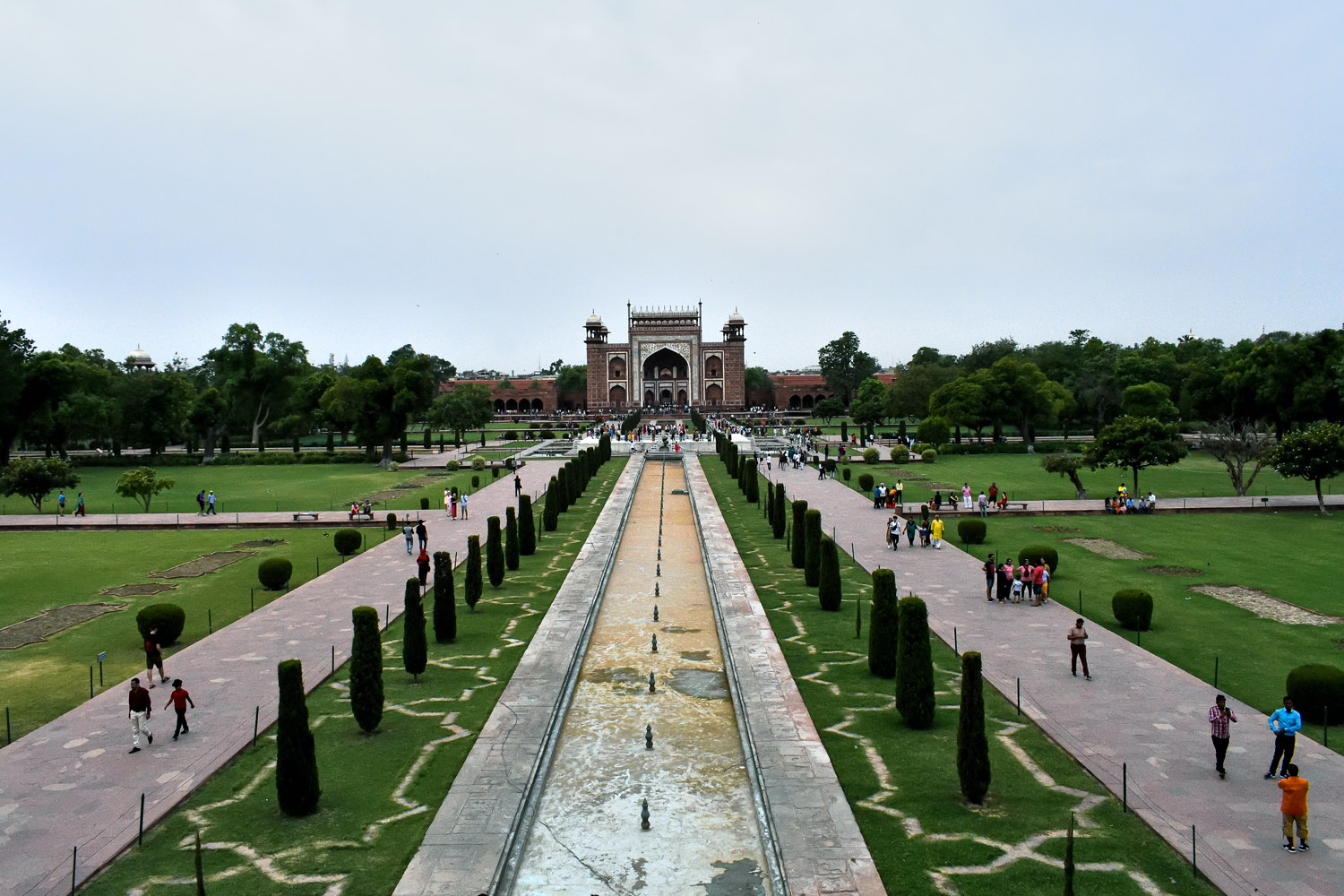
Seeing the Taj Mahal during the sunrise is a surreal experience. The monument changes its moods along with the changing lights of the rising sun. The zenith of Mughal architecture, an ultimate tribute of love, built by grieving emperor Shah Jahan in memory of his wife Mumtaj Mahal - the Taj Mahal is flawless in its conception and execution. It is aptly said that “the beauty of the Taj Mahal cannot be described in words – one has to see it to experience it”.
Return to hotel for breakfast, followed by a visit to the Agra Fort, the symbol of the Mughal might in India.
Agra Fort - foundation led by the emperor Akbar, four of the mighty Mughal rulers controlled their vast empire from here. Built by successive emperors, the fort consists of residential palaces, private and public courts, courtyards, social areas, and private mosques - famous amongst them are Jahangiri Mahal, Khass Mahal, Diwan-i-Khass, Diwan-i-Am, Machchhi Bhawan and Moti Masjid etc. All these buildings represent the excellence of Mughal architecture. Fort also serves as a vantage point to view the Taj Mahal from a distance and it is recorded that emperor Shah Jahan spent his last days in exile watching the Taj Mahal from here.
Afternoon visit tomb of Itmad-ud-daulah and Mehtab Bagh to see sunset on the Taj Mahal.
This monument (Itmad-ud-daulah Tomb) was built by Begam Nur Jahan the wife of the emperor Jahangir (fourth of the Great Mughals) in memory of her father Mirza Ghiyas Beg who was one of the generals in the Mughal army and had been conferred with the title of Itimâd-ud-Daulah meaning the ‘Pillar of the State’. Primarily built from red sandstone with marble decorations, this monument also elegantly displays Pietra-dura inlay on the white marble which is considered to be one of the forerunners of the Taj Mahal.
Mehtab Bagh serves as a vantage point to view the Taj Mahal by sunset from the opposite bank of the Yamuna River.
Overnight at the hotel.
Day 07 – Agra to Varanasi
Early morning transfer to railway station to board train for Varanasi.
Arrive Varanasi by early afternoon and transferred to hotel with rest of the day at leisure.
Early evening transfer to the riverfront to see evening prayer (aarti) on the Ganges.
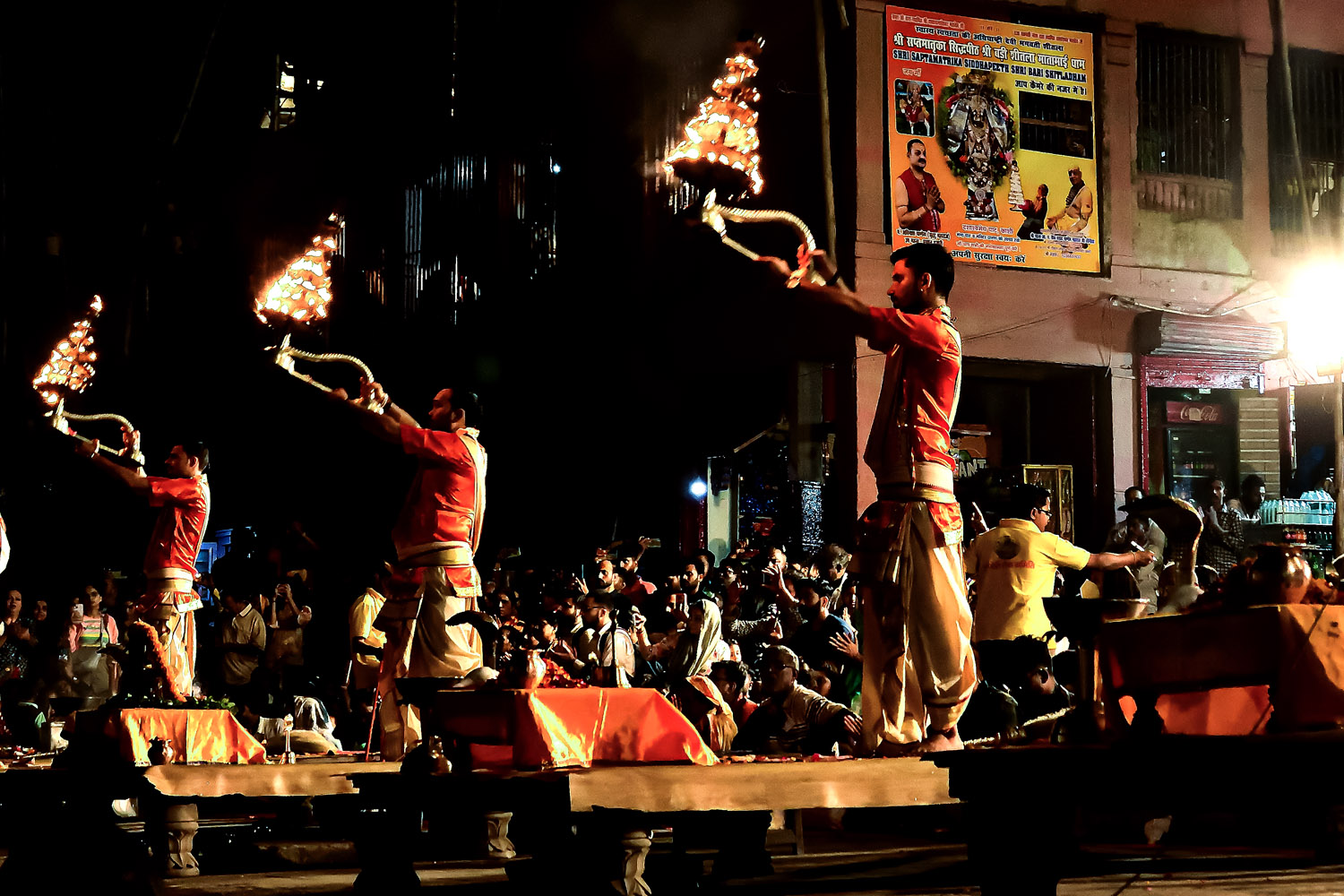
Evening Arati at the ghats of the River Ganges is a very vibrant experience. A group of priests offer their evening prayer to the mother Ganges with a big multi-storey butter lamp beautifully synchronizing their rhythm with roaring sound religious hymns, drums, and symbols creating a surreal sight. Devotees float oil lamps on leaf boats to show their reverence to the river.
Overnight at hotel.
Day 08 – Varanasi
Early morning transfer to riverfront for a early morning boat ride in the Ganges followed by walking tour in the alleyways of Old Varanasi to Kashi Vishwanath Temple (Optional).
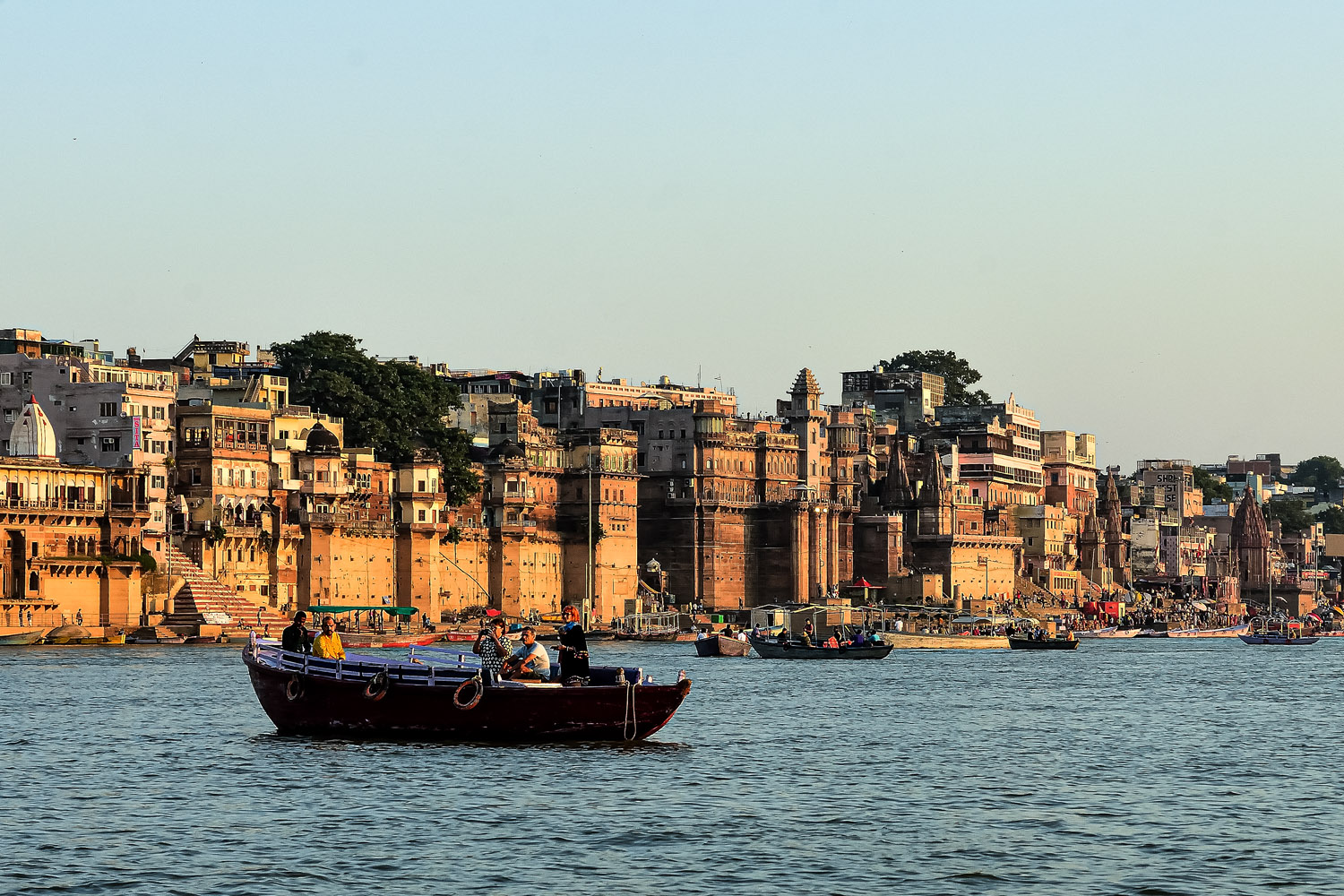
An early morning boat ride in the Ganges could be a life changing experience for many as one will observe celebration of life and mourning of death side by side from a very close quarter. While one sees people celebrating life by taking holy dip in the Ganges, offering prayers, and water to Sun God seeking blessings for the day after taking a holy dip in the river seeking blessings from Mother Ganges in many of the ghats in one hand – one will observe near dear ones mourning the death of their near dear ones on some of the burning ghats. Old temples and heritage buildings that lines along the river adds character to the landscape.
End your boat ride on the burning ghats and walk around Kashi Vishwanath corridor mending along the narrow alleyways of Varanasi.
Kashi Vishwanath Temple, believed to be in existence for 1000 years stands on the western bank of the Ganges. This temple, dedicated to Lord Shiva is one of the most revered temples in the country. This is one of the 12 temples which enshrines Jyotirlinga which has a special significance in the spiritual history of India.
Later in the morning proceed on an excursion to Sarnath to visit ancient Buddhist sites.
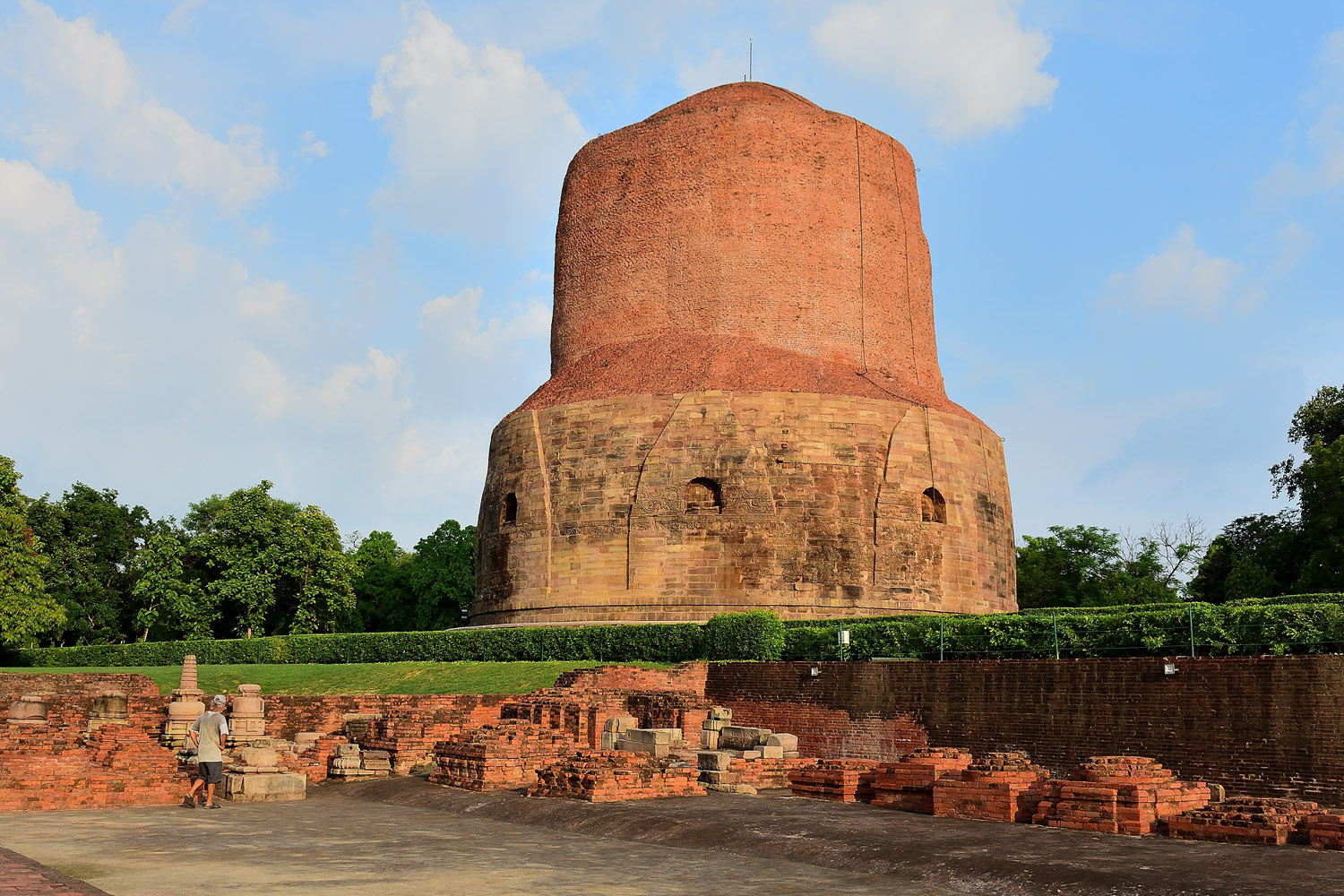
Sarnath is a very important place for Buddhism. It is here Lord Buddha preached his first sermon after attaining Nirvana in Bodhgaya. Visit the 500 AD Dhamek Stupa and the complex that marks the site where Lord Buddha preached his sermon. Mulagandha Kuti Vihar - a modern Buddhist temple famous for its frescoes depicting the scenes from the life of Lord Buddha.
Afternoon at leisure to explore Varanasi on your own.
Overnight at hotel.
Day 09 – Varanasi to Delhi and Depart
Morning sightseeing tour of Varanasi visiting some of the important sites like Bharat Mata Temple, Banaras Hindu University, Bharat Kala Bhavan and Sankat Mochan Hanuman Temple.
Bharat Mata Temple, dedicated to Mother India and was built in the Mahatma Gandhi Kashi Vidyapeeth by Babu Shiv Prasad Gupta with an intention that the citizens could respect the country in statue form. The temple was inaugurated by Mahatma Gandhi in 1936. The unique feature of this temple is that there is no statue of gods or goddess in it. Instead, it has a replica of the map of undivided India built in marble in three dimensions with the mountains, plains, and oceans depicted in perfect proportions.
Banaras Hindu University – Varanasi is considered one the oldest center for religious and cultural learning and Banaras Hindu University continues its legacy by promoting the study of Hindu Philosophy and Sanskrit Literature, apart from imparting modern education.
Bharat Kala Bhavan – located in the Banaras Hindu University complex, it houses a rich collection of over 100,000 artifacts, including miniature paintings, sculptures, manuscripts, textiles, and folk art. Some highlights here include Mughal and Rajasthani paintings and rare Buddhist relics, making it a cultural and historical treasure.
Sankat Mochan Hanuman Temple - this 16th-century temple dedicated to Lord Hanuman (Monkey God) the remover of obstacles is one the most revered shrines in Varanasi. It is a very import place for those who are in the pilgrimage to Kashi (old name for Varanasi). The temple was established by the saint-poet Goswami Tulsidas, who composed the Ramcharitmanas (Hindi version of the epic Ramayana).
Afternoon fly to Delhi to connect international flight.
Arrive Delhi and transfer to the international airport to board the flight for onward destination.
Site by Naulak Web Design.