Tour Duration: 07 Nights/ 08 Days
Tour Destinations: Kolkata – Bhubaneshwar – Puri
Highlights: The Eastern Triangle tour of Odisha offers a captivating journey through the region’s rich cultural, historical, and natural treasures. Visitors encounter Kolkata's colonial heritage and spiritual landmarks before immersing themselves in Bhubaneswar’s magnificent temples and ancient Buddhist and Jain sites. The tour dazzles with visits to the vibrant artisan village of Pipli and the iconic Sun Temple at Konark, showcasing Odisha’s masterful craftsmanship and religious symbolism. Puri’s spiritual aura shines through in the heritage crafts of Raghurajpur, the majestic Jagannath Temple, and the tranquil Puri Beach. Nature lovers delight in the eco-haven of Satapada, with its rare Irrawaddy dolphins and Chilika Lake’s biodiversity, while the Tribal Museum reveals the vibrant heritage of Odisha’s indigenous communities. This tour beautifully blends art, spirituality, history, and nature, creating an immersive experience rich in tradition and scenic beauty.
Day 01 – Arrive Kolkata
Day 02 – Full-day sightseeing tour of Kolkata. Morning visit Missionary of Charity followed by Victoria Memorial and a drive pass Maidan, BBD Bagh.
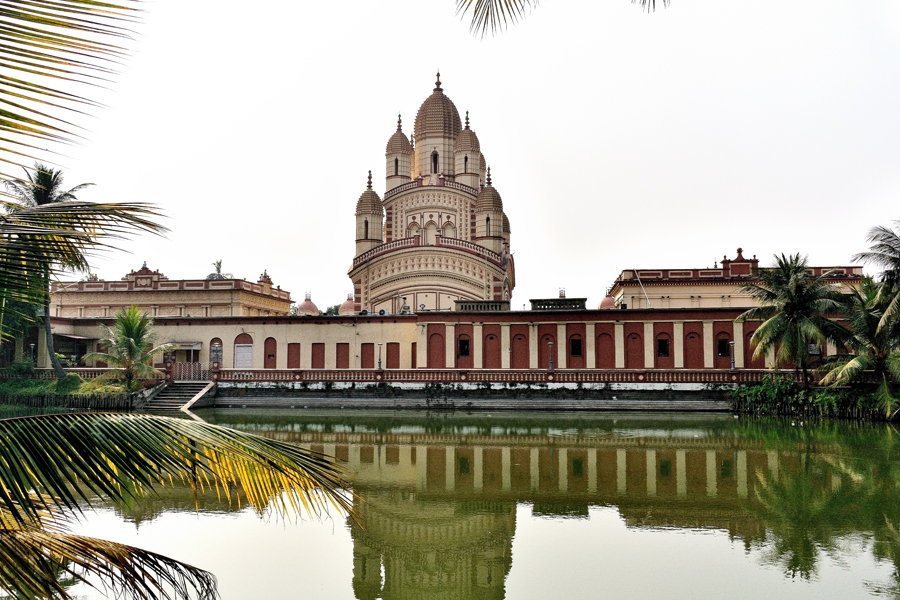
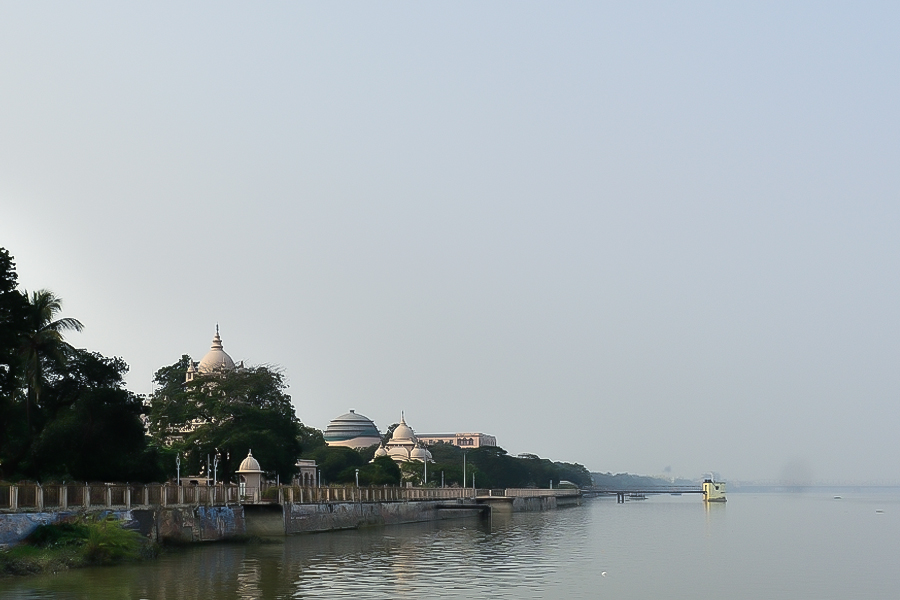
Afternoon visit Dakshineswar Kali Temple followed by a boat ride across the Hooghly River to reach Belur Math.
Day 03 – Early morning optional visit to Mullick Ghat flower market and Howrah Bridge.
Checkout from the hotel after breakfast and proceed to visit Kumartuli and Jorasanko Thakur Bari.
Afternoon transfer to the Howrah Junction Railway Station to board the train for Bhubaneshwar.
Day 04 – Morning visit some of the important temples at Ekamra Kshetra in Bhubaneshwar (Lingaraja Temple, Parasuramesvara Temple, Mukteshvara Temple and Rajarani Temple.
Afternoon excursion to Udayagiri and Khandagiri Caves (7 Km one way from the city).
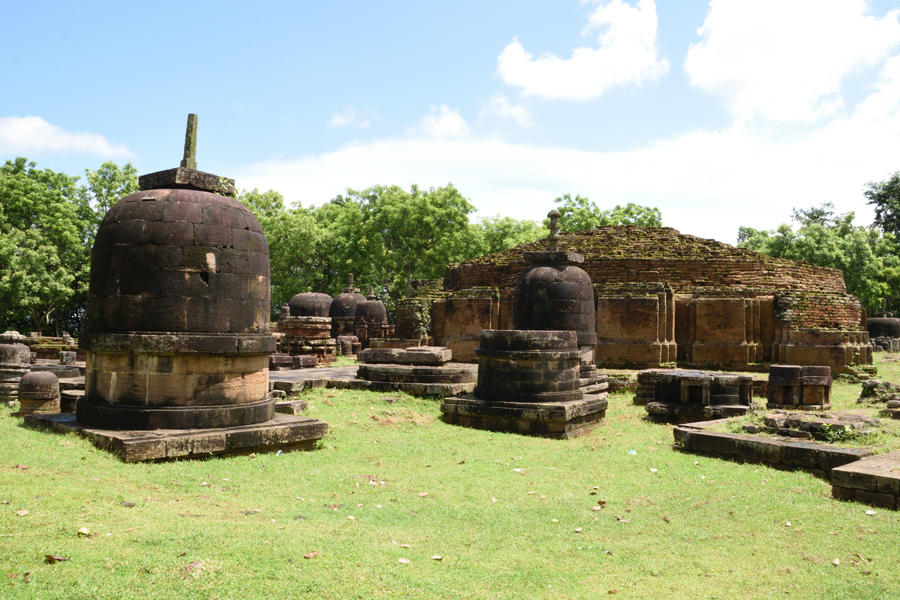
Day 05 – Morning, proceed on a day return excursion to Lalitgiri, Ratnagiri and Udayagiri to see some fascinating Buddhist sites of Odisha (total distance covered 179 Km)
Day 06 – Morning, depart Bhubaneshwar by road for Puri (100 Km) visiting Pipli Village and Sun Temple of Konark en route.
Afternoon, proceed on an excursion to Raghurajpur (13 Km – one way).
Day 07 – Morning, proceed on a half-day excursion to Satapada stopping by en route at Alarnath Temple in Brahmagiri.
Afternoon explore Puri beach and end day by a visit to Jaganath Temple.
Day 08 – Morning drive to Bhubaneshwar (90 Km) to connect train for Kolkata. Arrive Bhubaneshwar and visit the Tribal Museum.
Early afternoon, transfer to Bhubaneshwar railway station to board the train for Howrah.
Arrive Kolkata and transfer to the international airport to connect flight for onward destination.
Note: Instead of coming back to Kolkata you can extend your tour towards Varanasi to see one of the oldest settlements in India, Taj Mahal the ultimate monument of love in Agra.
Day 01 – Arrive Kolkata
Arrive Kolkata international airport. Met by our representative upon arrival at the international airport and transferred to the hotel.
Overnight at hotel
Day 02 – Kolkata
Today proceed on a full day sightseeing tour of Kolkata. Start your day with a visit to Missionary of Charity followed by Victoria Memorial and a drive pass Maidan, BBD Bagh.
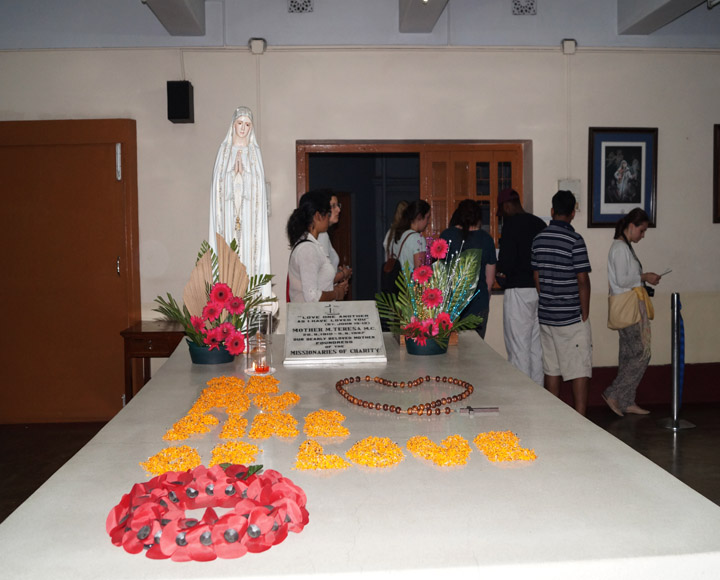
The Missionary of Charity (remain closed to visitors on Thursdays), founded by Mother Teresa in 1950 with just 12 nuns, today it is dedicated to serving the poorest and most marginalized worldwide. Awarded the Nobel Peace Prize in 1979 for her humanitarian work, Mother Teresa inspired the congregation to care for refugees, orphans, the sick, and lepers, providing compassion, dignity, and hope through orphanages, hospices, and schools globally. Inside the building which also called Mother House, visitors can see Mother Teresa’s tomb, a simple chapel for prayer, modest living quarters, and a small museum displaying her personal belongings, letters, and artifacts reflecting her life and mission.
The Victoria Memorial stands as a prominent example of colonial-era architecture in Kolkata, constructed from 1906 to 1921 to commemorate Queen Victoria. An impressive Makrana marble structure built in Indo-Saracenic style architecture it features a massive central dome inspired by the Taj Mahal, surrounded by smaller domes, arches, colonnades, and intricate carvings. Within its marble walls, the building houses a comprehensive museum, which features an array of artifacts, paintings, and manuscripts reflecting the period’s rich history.
Maidan is Kolkata’s iconic large urban green space, offering a refreshing open area amid the city’s bustle. Though it has rich colonial history as a parade ground, it is hub of social and political activities in the city.
BBD Bagh, formerly Dalhousie Square, is Kolkata’s historic commercial and political district. Established during British rule as the East India Company’s trading center, it features iconic colonial architecture like the Writers’ Building, General Post Office, and Raj Bhavan. Named after freedom fighters Benoy, Badal, and Dinesh, it symbolizes India’s independence struggle. The square houses important government offices, financial institutions, and heritage landmarks including St. John’s Church. BBD Bagh remains a vital cultural and administrative hub reflecting Kolkata’s colonial past and ongoing urban life.
Afternoon visit Dakshineswar Kali Temple followed by a boat ride across the Hooghly River to reach Belur Math.
Dakshineswar Kali Temple is a renowned Hindu temple situated on the eastern bank of the Hooghly River. Built in 1855, the temple is dedicated to Goddess Kali. It is famous for its Navaratna (nine-spired) Bengali architectural style and comprises a large courtyard with 12 Shiva temples and a Radha-Krishna temple. The temple’s spiritual prominence is enhanced by its association with Sri Ramakrishna Paramahamsa, who served as priest and inspired the Ramakrishna Mission.
Belur Math, situated on the west bank of the Hooghly River is the headquarters of the Ramakrishna Mission, founded by Swami Vivekananda in 1897. It symbolizes the ideals of Sri Ramakrishna and universal religious harmony. The main temple uniquely blends Hindu, Christian, and Islamic architectural styles, representing unity among religions. The spacious campus includes museums, gardens, and prayer halls, serving as a spiritual, cultural, and humanitarian center that inspires peace, brotherhood, and self-realization across the world.
Return to the hotel by late afternoon or early evening.
Overnight at hotel.
Day 03 – Kolkata to Bhubaneshwar
Early morning optional visit to Mullick Ghat flower market. Also, see Howrah Bridge.
Mullik Ghat Flower Market, situated beneath the iconic Howrah Bridge stands as a significant historical and cultural landmark. Established in 1855, it is recognized as one of Asia’s oldest and largest flower markets. The market presents a striking visual spectacle—an array of vibrant colors and intoxicating fragrances permeates the air, as thousands of fresh flowers pass through daily. These flowers are destined for religious ceremonies, festivals, and weddings, illustrating the market’s ongoing relevance to local traditions. Early morning visits provide an especially vivid glimpse into the energy, and bustle of commerce, all set against the impressive backdrop of the Howrah Bridge.
Howrah Bridge, Kolkata’s landmark, spans the Hooghly River, linking Howrah and Kolkata. Commissioned in 1943, this 750-meter-long cantilever bridge carries 100,000 vehicles and 150,000 pedestrians daily. Built using 26,000 tons of steel without nuts or bolts, it was constructed by riveting metal shafts, showcasing unique engineering.
Return to the hotel for breakfast. Checkout from the hotel after breakfast and proceed to visit Kumartuli and Jorasanko Thakur Bari.
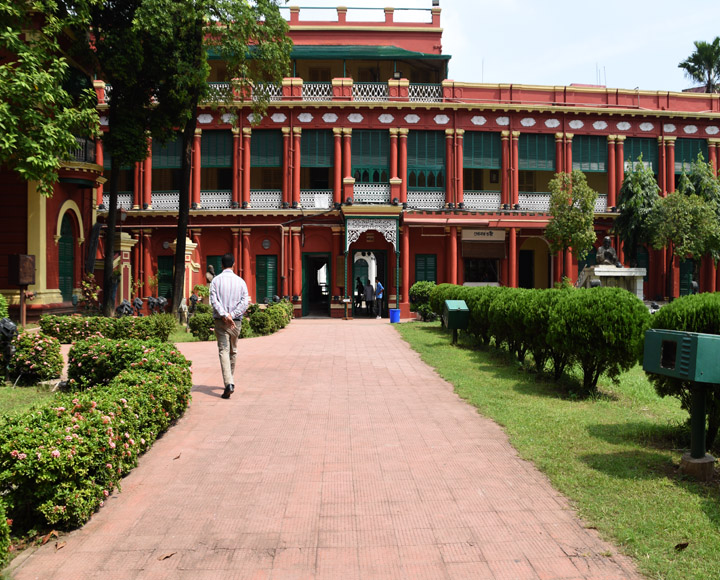
Thakur Bari, popularly known as Jorasanko Thakur Bari, is the ancestral home of the illustrious Tagore family in North Kolkata. Built in the traditional zamindar style, this mansion is where Nobel laureate Rabindranath Tagore was born and spent much of his life. Today, it houses the Rabindra Bharati Museum, showcasing Tagore’s personal artifacts, manuscripts, and artworks. Beyond a residence, it was a vibrant cultural hub that nurtured Bengal’s literary and artistic renaissance, playing a pivotal role in Indian heritage.
Kumartuli, meaning "potters' hub," is a historic potters' quarter over 300 years old in North Kolkata. It supports around 150 potter families who originally settled here searching for better livelihoods. These artisans craft intricate clay idols of gods and goddesses for festivals like Durga Puja, blending traditional techniques with artistry passed down through generations. Once primarily potters, they evolved into skilled sculptors whose works are celebrated locally and exported worldwide, making Kumartuli a vibrant cultural and artistic hub.
Transfer to the Howrah Junction Railway Station to board the train Shatabdi Express (Train No. 12277) for Bhubaneshwar. Depart Howrah at 1415 Hrs. and arrive Bhubaneshwar at 2003 Hrs. (there is an option of taking flight on this sector)
Arrive Bhubaneshwar, met by our representative and transfer to hotel.
Overnight at hotel.
Day 04 – Bhubaneshwar
Morning visit some of the important temples at Ekamra Kshetra in Bhubaneshwar.
Lingaraja Temple, built in the 11th century by King Jajati Keshari, is Bhubaneswar’s largest and oldest temple, dedicated to Lord Shiva. It exemplifies Kalinga architecture, featuring a 180-foot spire and a complex with 150 smaller shrines. Its intricate carvings, self-manifested Shivalinga, and religious festivals symbolize Odisha’s spiritual and cultural heritage. (Note: non-Hindus are not allowed in the temple complex – however one can a get a nice view of the temple from an elevated platform outside the complex wall)
The Parasuramesvara Temple, built around 650 AD during the Shailodbhava dynasty, is one of Bhubaneswar's oldest temples. Dedicated to Lord Shiva, it represents early Kalinga architecture with a panoramic Vimana and Jagamohana featuring exquisite carvings. Renovated in 1903, its walls display Hindu and Shakta deities. The temple is culturally vital standing as a landmark in Odishan temple evolution, attracting pilgrims and scholars alike.
The Mukteshvara Temple, built adjacent to Parasuramesvara Temple around 950–975 CE is a key monument in Odisha’s temple architecture evolution. Dedicated to Lord Shiva, it symbolizes spiritual freedom. Architecturally, it features a unique arched gateway (torana) with intricate carvings and a pyramidal roofed Jagamohana, marking a departure from earlier designs. Enclosed within an octagonal wall, the temple houses the sacred Marichi Kunda tank, believed to aid fertility. Widely regarded as the "Gem of Odisha Architecture," it marks a pivotal evolution in Kalinga temple design.
The Rajarani Temple, built during the 11th century is renowned for its classic Kalinga architecture and vibrant yellow-red sandstone. Lacking a main deity idol, its intricate exterior carvings feature celestial beings, dancers, mythical creatures, and erotic couples, earning it the title 'Love Temple.' The temple’s influence extends to later masterpieces like Khajuraho, making it a cherished symbol of Odia culture, architectural mastery, and spiritual artistry.
Afternoon excursion to Udayagiri and Khandagiri Caves (7 Km one way from the city).
The Udayagiri and Khandagiri Caves near Bhubaneswar are ancient rock-cut Jain monasteries from the 2nd century BCE, notable for their elaborate facades and detailed sculptures. The site, which includes a total of 33 remaining caves, features multi-layered chambers and passages, a characteristic of early Indian rock-cut architecture. Famous caves like Rani Gumpha and Hathi Gumpha showcase elegant carvings, including the longest Brahmi inscription from King Kharavela's reign. The caves served as retreats for Jain monks.
Return to Bhubaneshwar by late afternoon or early evening with rest of the day at leisure or free for optional activities.
Overnight at hotel.
Day 05 – Bhubaneshwar
Morning, proceed on a day return excursion to Lalitgiri, Ratnagiri and Udayagiri to see some fascinating Buddhist sites of Odisha (total distance covered 179 Km)
Lalitgiri, located about 90 km from Bhubaneswar is one of the oldest Buddhist monastic complexes in the region. Dating back to the 1st century AD, it features stupas, chaityagrihas (prayer halls), and multiple monasteries, showcasing a blend of Hinayana, Mahayana, and Vajrayana Buddhist traditions. The site played a vital role in Buddhist learning and spiritual practice until the 13th century, reflecting Odisha's rich cultural and religious heritage. The site also features a museum displaying relics of Buddha, intricate sculptures, inscriptions and artifacts unearthed during excavations.
Ratnagiri, located about 25 km from Lalitgiri, it is a major ancient Buddhist site known for its intricate monasteries, stupas, and sculptures dating from the 5th to 13th centuries CE. It features Monastery 1, the largest with a unique curvilinear roof and an ornately carved chlorite doorway leading to a courtyard housing a colossal Buddha head. The site reflects Vajrayana Buddhism’s influence, showcasing detailed carvings of Buddhas, Bodhisattvas, and tantric deities. Renowned for its architectural brilliance, Ratnagiri was a prominent center of Buddhist learning and tantric practice. The site also has a museum displaying many excavated relics and sculptures, offering deep insights into Odisha's Buddhist heritage and ancient architectural excellence.
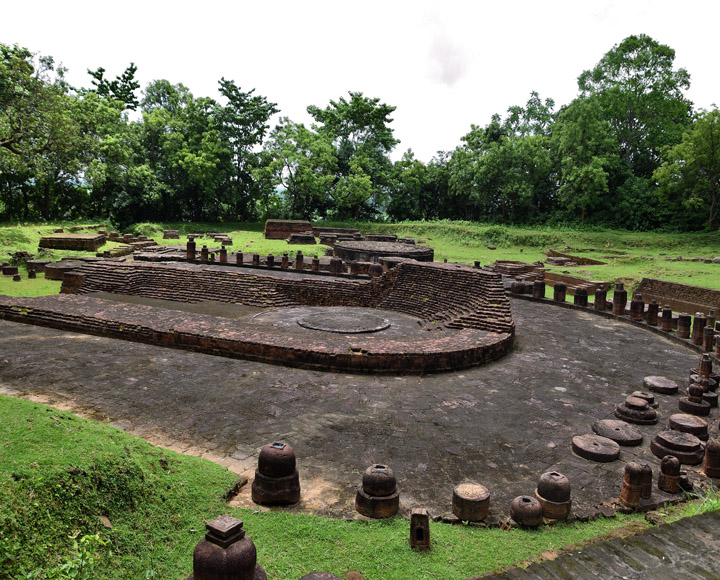
The Udayagiri Buddhist site, about 25 km from Ratnagiri, includes two major excavation areas revealing stupas, monasteries, prayer halls, and ornate sculptures from the 7th to 12th centuries. Known as Madhavapura Mahavihara, it was a key center for Buddhist learning. Features include a 7-meter stupa with Dhyani Buddha images, intricately carved monastery courtyards, vaulted arches, a stepped stone well, and epigraphic inscriptions. The site showcases Odisha's rich Buddhist architectural and cultural heritage.
Return to Bhubaneswar by late afternoon or early evening.
Overnight at the hotel.
Day 06 – Bhubaneshwar to Puri
Morning, depart Bhubaneshwar by road for Puri (100 Km) visiting Pipli Village and Sun Temple of Konark en route.
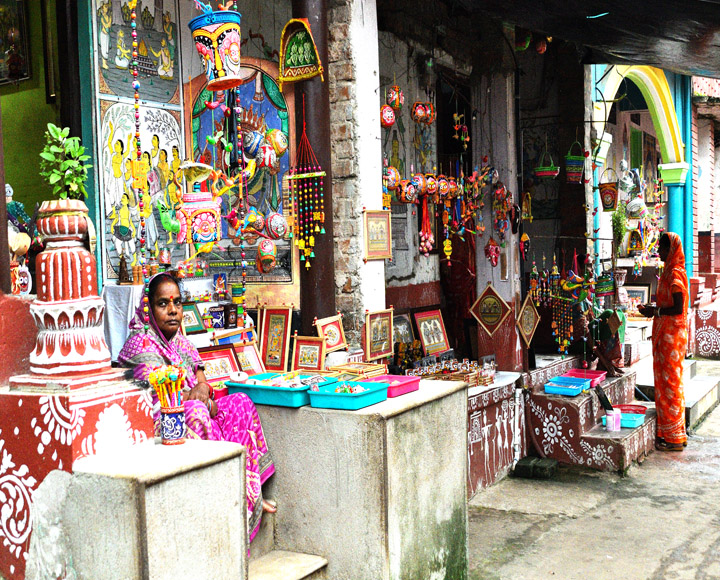
Pipli Village, was founded during the Somavamsi dynasty in the 10th–11th century to serve as an artisan settlement crafting decorative fabrics for the Jagannath Temple in Puri. Over generations, its vibrant Chandua or applique work, evolved from temple art adorning chariots during Rath Yatra to diverse products like umbrellas, hangings, and lamp-shades. Today, Pipli’s distinct bright fabric motifs are celebrated worldwide, making it a center of Odisha’s craft heritage.
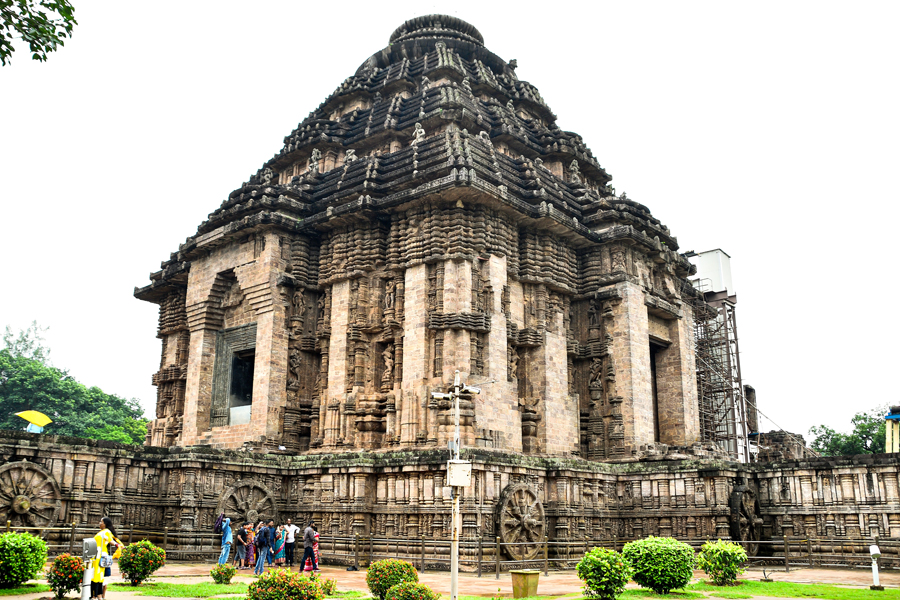
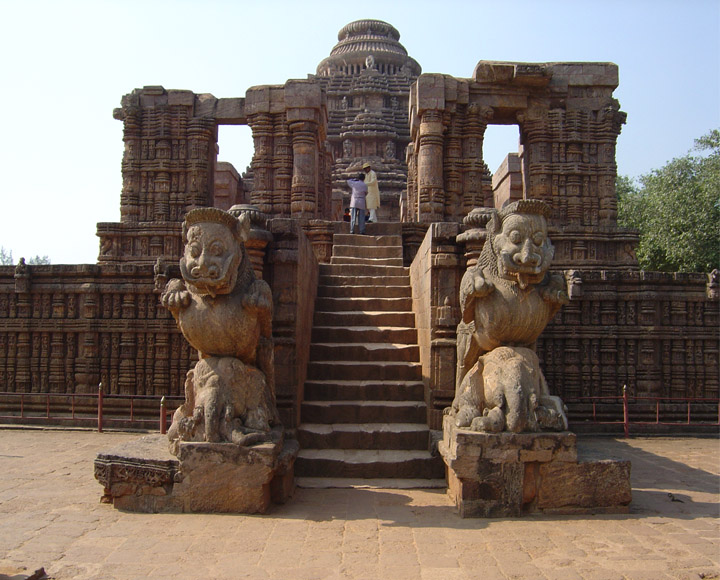
The Konark Sun Temple, built around 1250 CE by King Narasimhadeva I, is a stunning UNESCO World Heritage site and a pinnacle of Kalinga architecture. Designed as a massive stone chariot for Surya, the Hindu sun god, it features 24 intricately carved wheels and seven horses symbolizing the sun’s journey. Famous for exquisite sculptures, mythological carvings, and cosmic symbolism, this iconic temple draws millions of tourists and pilgrims, celebrating Odisha’s rich cultural and architectural legacy.
Arrive Puri and check in at hotel.
Afternoon, proceed on an excursion to Raghurajpur (13 Km – one way).
Raghurajpur, Odisha’s first heritage crafts village established in 2000, is renowned for its ancient Pattachitra paintings, depicting mythological stories from Hindu epics like the Ramayana and Mahabharata. The village is also famous for Gotipua dance, palm leaf engraving, wood and stone carving, masks, and other traditional crafts. Strongly linked to Puri’s Jagannath culture, Raghurajpur produces Patas used in the Rath Yatra festival. A visit here enables the visitors to experience its vibrant artistic heritage firsthand.
Return to the hotel by late afternoon or early evening with rest of the day at leisure or free for optional activities.
Overnight at hotel.
Day 07 – Puri
Morning, proceed on a half-day excursion to Satapada stopping by en route at Alarnath Temple in Brahmagiri.
Alarnath Temple in Brahmagiri, about 23-25 km from Puri is a historic Vaishnavite temple dedicated to Lord Vishnu. Built over 1100 years ago in traditional Kalinga architecture, it features intricate carvings and a serene environment. The temple holds great significance during the Anavasara period when Lord Jagannath’s idol is hidden in Puri, attracting devotees who believe Jagannath manifests here.
Satapada, located about 50 km from Puri is a picturesque town where Chilika Lake meets the Bay of Bengal. It is famous for watching the endangered Irrawaddy dolphins. Visitors also enjoy rich biodiversity, including migratory birds and aquatic life, making Satapada a key eco-tourism destination. It is also a mass nesting site for Olive Ridley Turtle listed as Vulnerable by the IUCN (Red List).
Afternoon explore Puri beach and end day by a visit to Jaganath Temple.
Puri Beaches are stunning and famous for their soft golden sands, calm waters and breathtaking sunrise and sunset views.
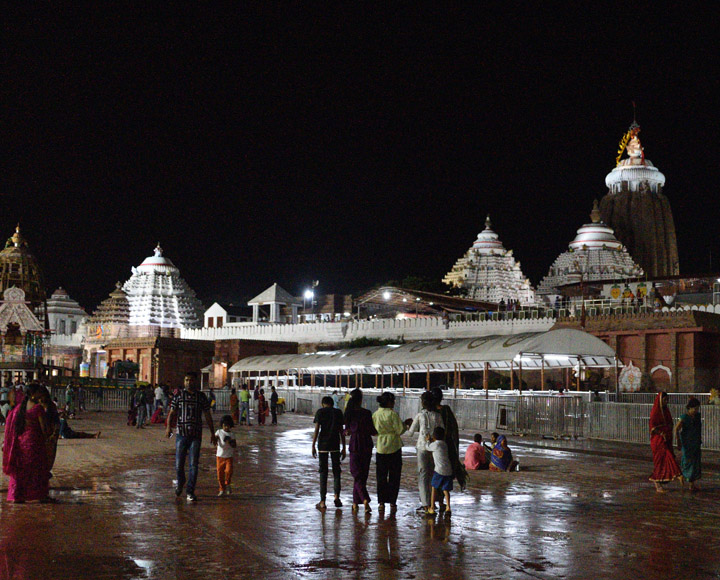
The Jagannath Temple in Puri, built in the 12th century is a grand Hindu shrine dedicated to Lord Jagannath, Balabhadra, and Subhadra. Exemplifying Kalinga architecture, it features towering spires, intricate carvings, and vast halls. The temple is renowned for its unique wooden deities, complex rituals, and the annual Rath Yatra festival, attracting millions worldwide, symbolizing faith, culture, and ancient traditions in eastern India. (Note: non-Hindus are not allowed in the temple complex)
Overnight at hotel.
Day 08 – Puri to Bhubaneshwar to Kolkata and Depart
Morning drive to Bhubaneshwar (90 Km) to connect train for Kolkata. Arrive Bhubaneshwar and visit the Tribal Museum.
The Tribal Museum in Bhubaneswar, also known as the Odisha State Tribal Museum or Museum of Man, was established in 1953. It showcases the rich culture and lifestyle of over 60 tribal communities of Odisha through more than 2,247 artifacts, including clothes, jewelry, musical instruments, tools, and weapons. The museum also features life-sized tribal huts representing different tribal groups.
Early afternoon, transfer to Bhubaneshwar railway station to board the train for Howrah, Kolkata (there is an option of taking flight on this sector). Train Vande Bharat Express (Executive Chair Car) – 1449/ 2030 Hrs.
Arrive Howrah railway station, Kolkata and transfer to the international airport to connect flight for onward destination.
Note: Instead of coming back to Kolkata you can extend your tour toward Varanasi to see one of the oldest settlements in India, Taj Mahal in Agra.
Site by Naulak Web Design.