Tour Duration: 03 Nights/ 04 Days
Tour Destinations: Delhi - Agra
The Taj Mahal Tour especially designed for those who do not have much time in India packs iconic Mughal wonders into an unforgettable experience. Start with Delhi's vibrant Jama Masjid, bustling Chandni Chowk rickshaw ride, serene Raj Ghat, grand India Gate, Humayun's Tomb, and majestic Qutub Minar.
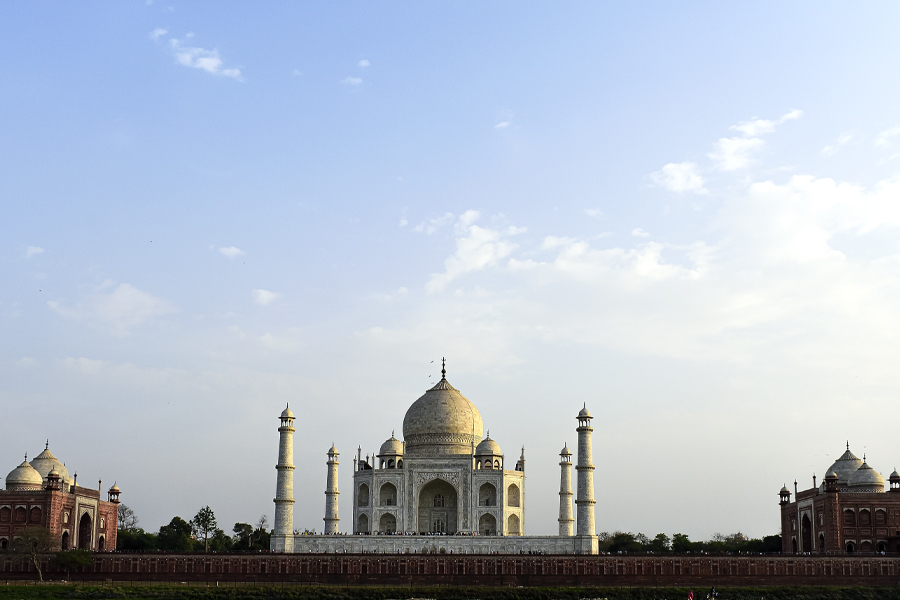
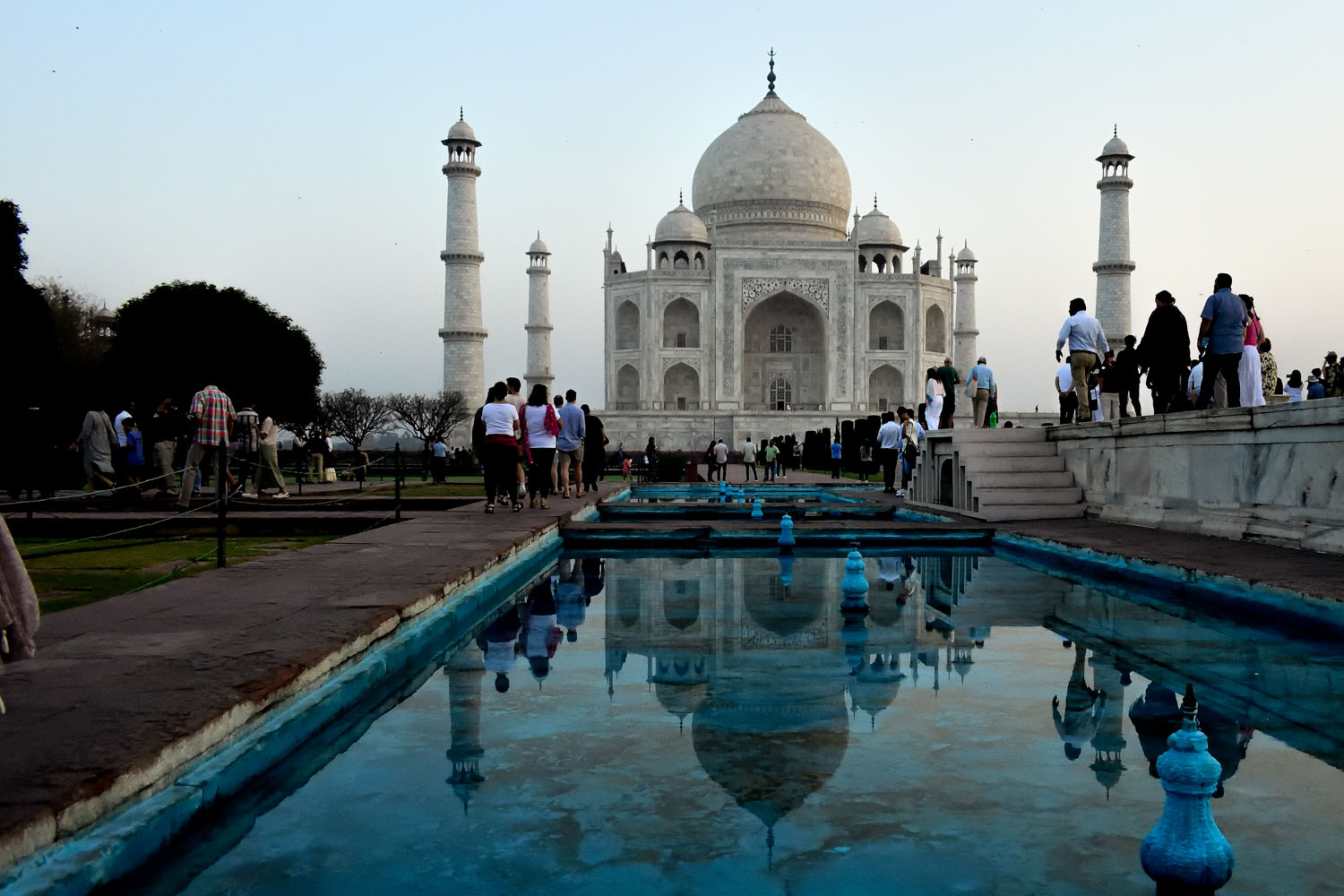
Journey to Agra for the exquisite Itmad-ud-Daulah Tomb, a Taj precursor with stunning marble inlays. Catch the Taj Mahal at sunset from Mehtab Bagh across the Yamuna and sunrise when it glows ethereally—Shah Jahan's eternal love tribute.
Explore Fatehpur Sikri's preserved red sandstone palaces and the formidable Agra Fort, offering Taj views from where the emperor spent his final days. This seamless trip blends history, architecture, and romance perfectly for heritage seekers.
Day 01 - Arrive Delhi and transfer to hotel.
Day 02 – An orientation and tour briefing in the morning is followed by a full-day sightseeing tour of Old and New Delhi.
In Old Delhi visit Jama Masjid, take a rickshaw ride in bustling Chandni Chowk and visit Raj Ghat.
On finishing the visit to Old Delhi, drive towards New Delhi stopping by en route briefly to explore the Central Delhi.
Later, in the day visit two important monuments in New Delhi – Qutab Minar and Humayun Tomb.
Day 03 – Morning, depart Delhi by road to Agra (200 Km). Arrive Agra and check in at hotel.
Afternoon visit tomb of Itmad-ud-daulah and Mehtab Bagh to see sunset on the Taj Mahal from the opposite bank.
Day 04 – Early morning, visit the Taj Mahal by sunrise.
Return to the hotel for breakfast, followed by an excursion to deserted capital of Fatehpur Sikri (44 Km one way).
In the afternoon, visit the Agra Fort, followed by drive to Delhi airport to board the flight for onward destination.
Day 01 - ARRIVE DELHI
Arrive IGI airport Delhi. Met by our representative upon arrival at the international airport and transferred to hotel.
Overnight at hotel.
Day 02 – DELHI
An orientation and tour briefing in the morning is followed by a full-day sightseeing tour of Old and New Delhi.
In Old Delhi visit Jama Masjid, take a rickshaw ride in bustling Chandni Chowk and visit Raj Ghat.
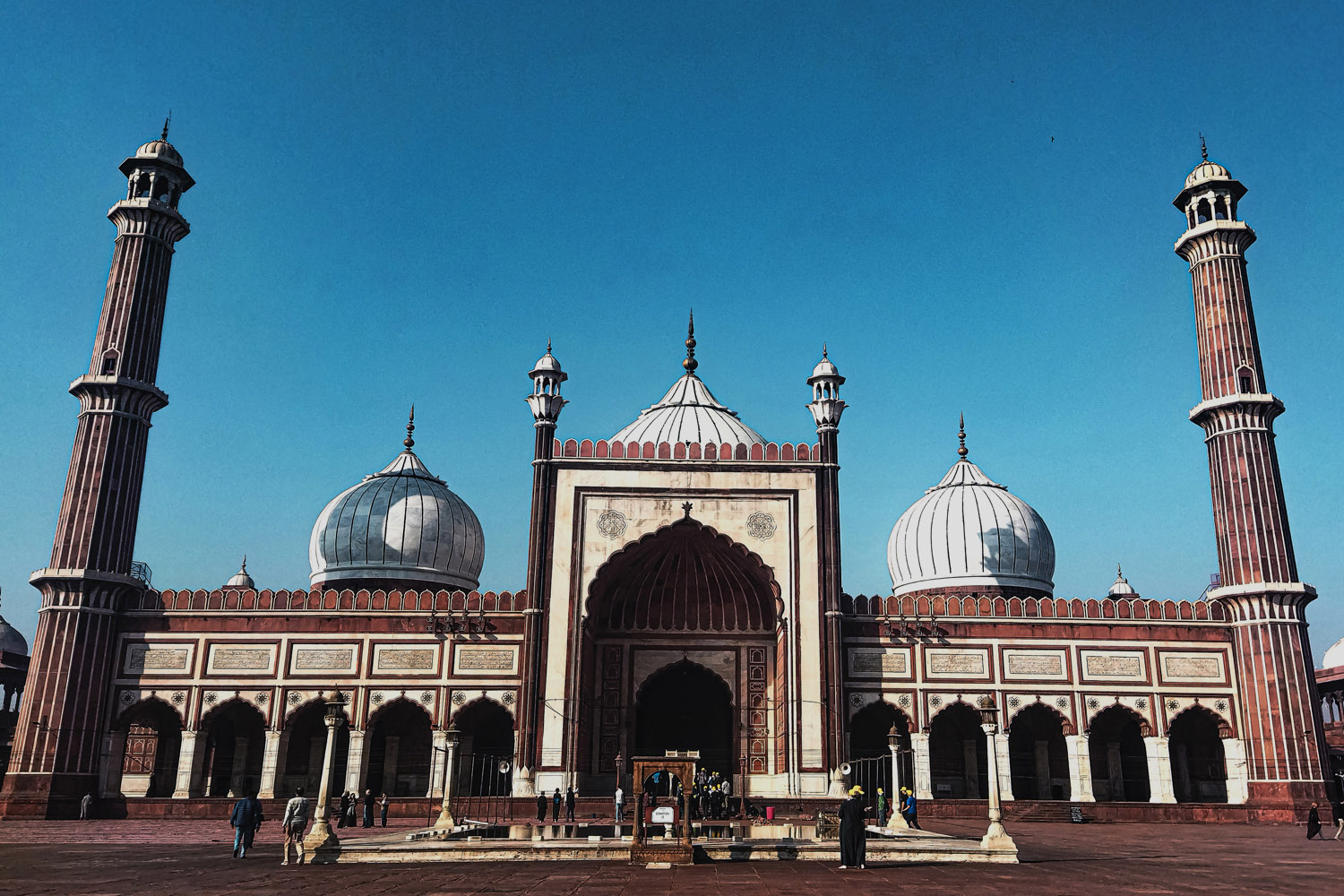
Jama Masjid - the last architectural extravagance of the emperor Shah Jahan, which he built shortly after the completion of Red Fort. The largest mosque in India, its courtyard and surroundings can accommodate 25000 devotees to offer prayer at a time.
Chandni Chowk, now a bustling market place (in fact, one of the largest wholesale markets in the world) was a flamboyant bazaar for the novels during Mughal era and it holds a lot of historical importance. Exploring the narrow alleyways of Chandni Chowk on a cycle rickshaw is an experience by itself.
Cremation site of Father of the Nation ‘Mahatma Gandhi’, Raj Ghat now boats gardens and a memorial.
On finishing the visit to Old Delhi, drive towards New Delhi stopping by en route briefly to explore the Central Delhi.
Developed after 1911, when British decided to sift their capital from Kolkata to Delhi, Indo-Saracenic architecture, large boulevards, and a good green cover mark the character of central Delhi area. Drive pass government buildings (President House, North and Soth Block and Parliament House are some of the most prominent structures here) and India Gate built in memory of 70,000 Indian soldiers who lost their lives during the First World War fighting for the British. This arch built in 1921 is a prominent site in Delhi.
Later, in the day visit two important monuments in New Delhi – Qutab Minar and Humayun Tomb.
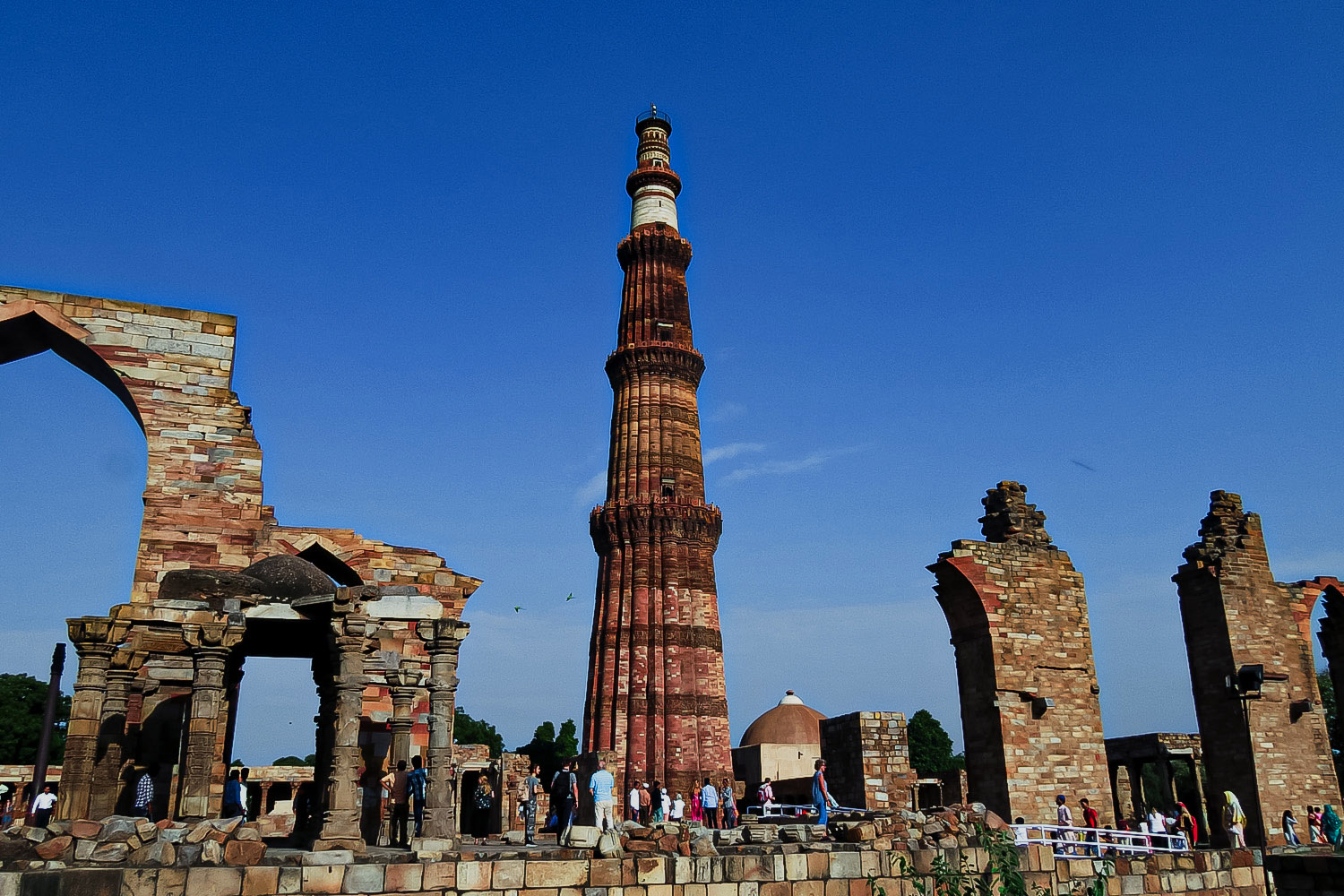
Qutab Minar - built in red sandstone during the early 13th century and standing 72.5 m tall, tapering from 2.75 m in diameter at its peak to 14.32 m at the base, it is not only one of the tallest towers of its time but the tallest brick tower in the world. The tower is ornamented with intricate stone carvings and the walls consist of verses from the Koran (the holy book of Islam). The Complex also hosts mosques and a 5th/ 6th-century BC Iron Pillar (in the courtyard of the mosque) which has not rusted even after 2000 years.
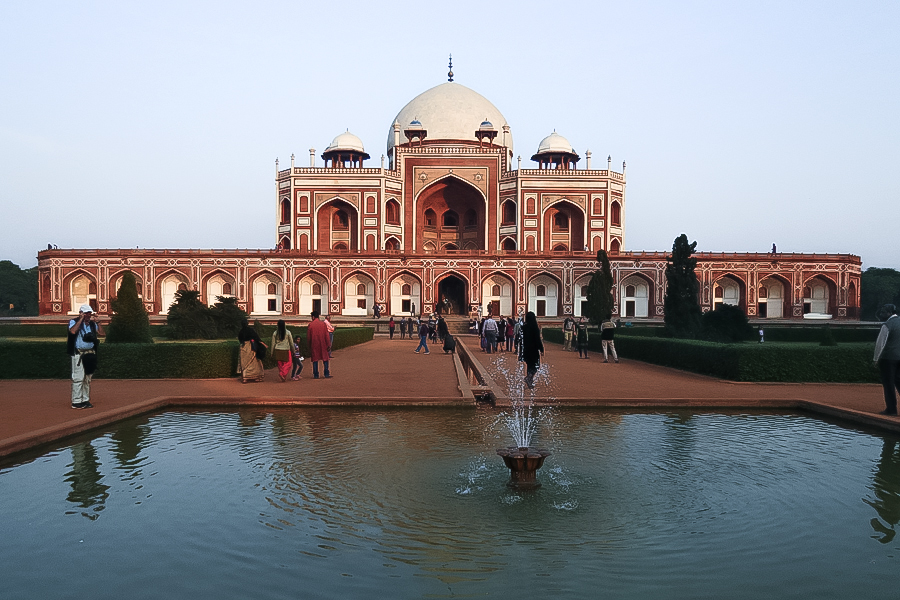
Humayun Tomb, the pioneer of Mughal architecture in India. This 16th-century colossal monument is considered to be an early masterpiece that decisively influenced the design of the later Mughal architecture including the Taj Mahal. A fusion of Persian and Hindu architectural influence is visible in this monument. Built in the middle of a four-cornered garden it is one of the best-preserved Mughal monuments in Delhi. End the day with a visit to
Overnight at hotel.
Day 03 – DELHI to AGRA
Morning, depart Delhi by road to Agra (200 Km).
Arrive Agra and check in at hotel.
Afternoon visit tomb of Itmad-ud-daulah and Mehtab Bagh to see sunset on the Taj Mahal.
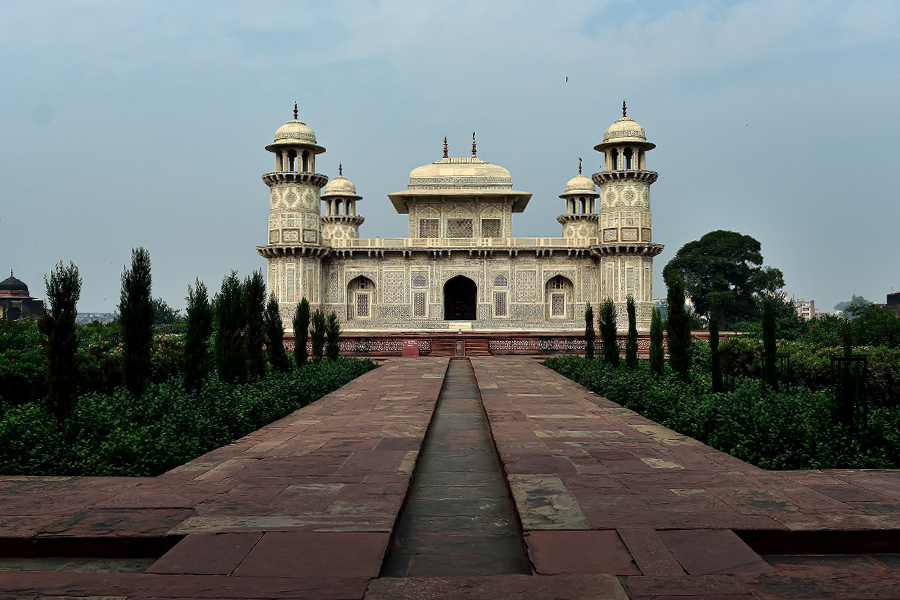
This monument (Itmad-ud-daulah Tomb) was built by Begam Nur Jahan the wife of the emperor Jahangir (fourth of the Great Mughals) in memory of her father Mirza Ghiyas Beg who was one of the generals in the Mughal army and had been conferred with the title of Itimâd-ud-Daulah meaning the ‘Pillar of the State’. Primarily built from red sandstone with marble decorations, this monument also elegantly displays Pietra-dura inlay on the white marble which is considered to be one of the forerunners of the Taj Mahal.
Mehtab Bagh serves as a vantage point to view the Taj Mahal by sunset from the opposite bank of the Yamuna River.
Overnight at the hotel.
Day 04 – AGRA to DELHI and DEPART
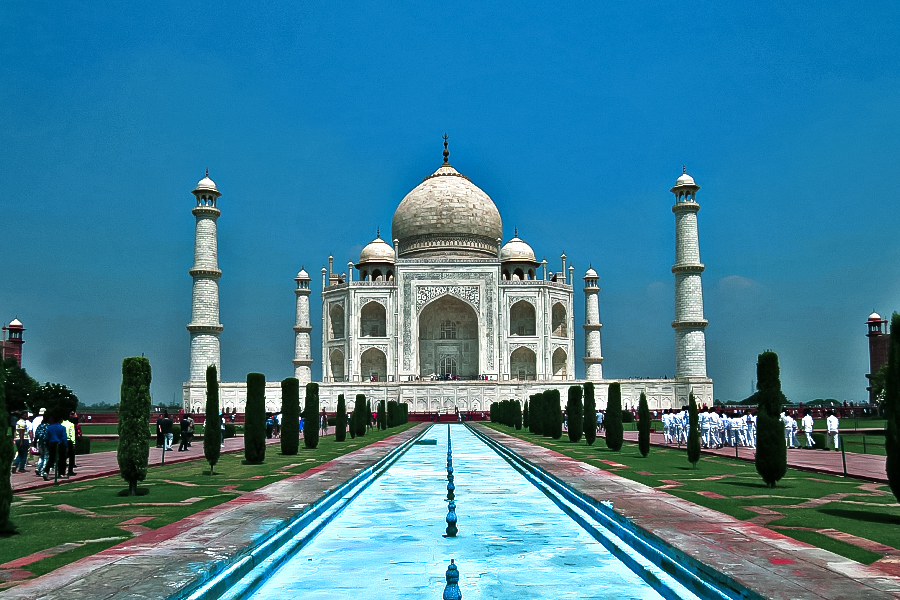
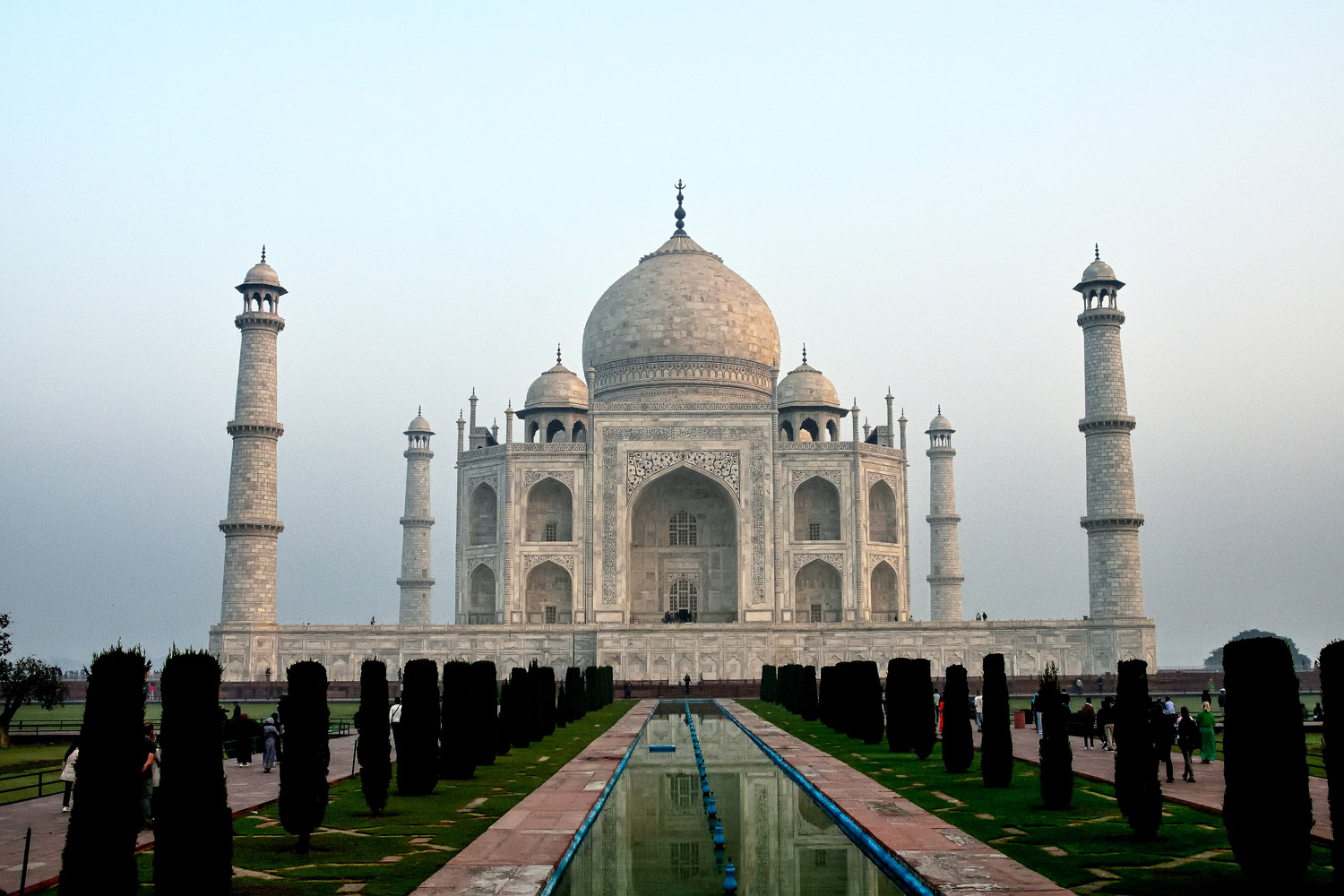
Early morning, visit the Taj Mahal by sunrise.
Seeing the Taj Mahal during the sunrise is a surreal experience. The monument changes its moods along with the changing lights of the rising sun. The zenith of Mughal architecture, an ultimate tribute of love built by grieving emperor Shah Jahan in memory of his wife Mumtaj Mahal - the Taj Mahal is flawless in its conception and execution. It is aptly said that “the beauty of the Taj Mahal cannot be described in words – one has to see it to experience it”.
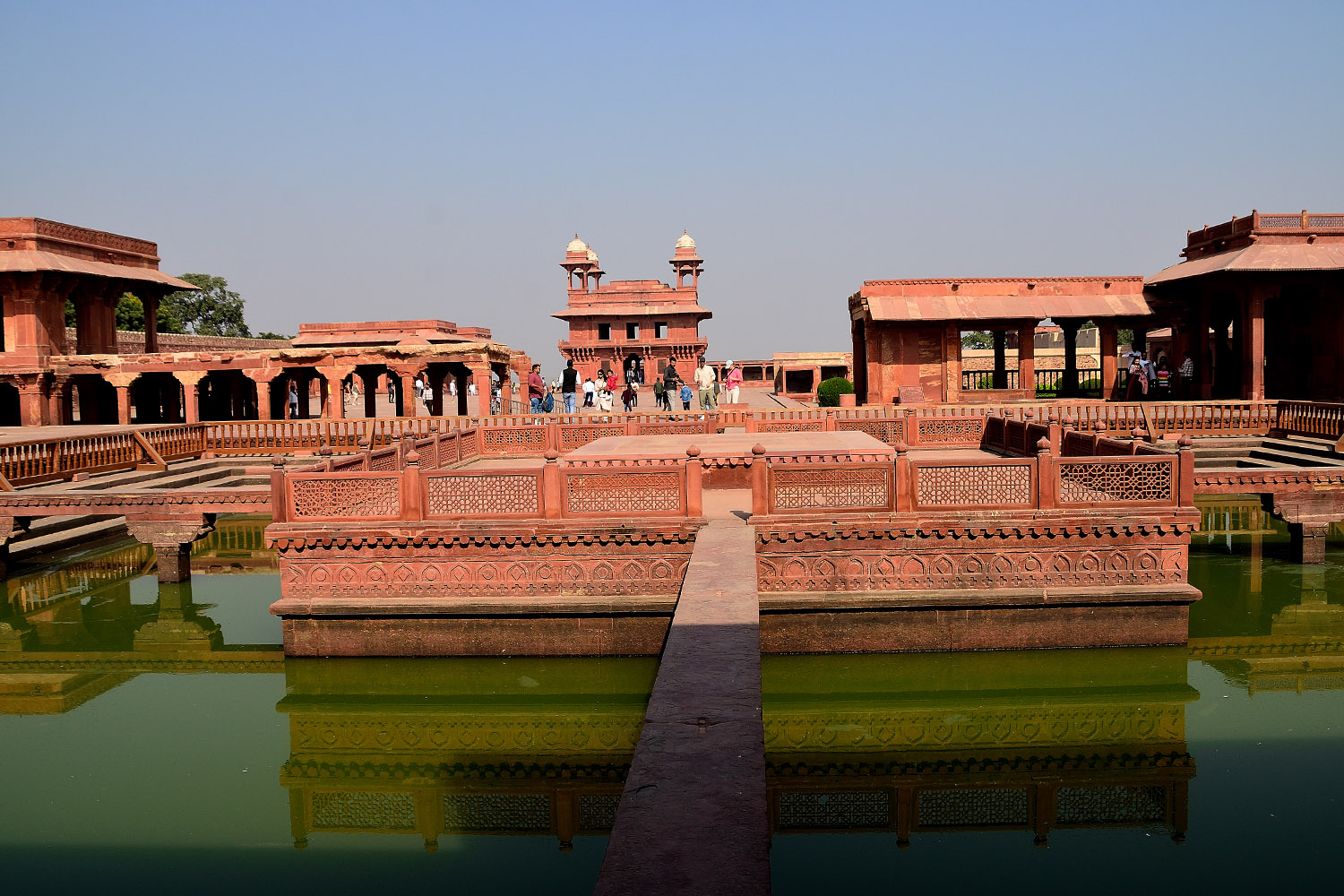
Return to the hotel for breakfast, followed by an excursion to deserted capital of Fatehpur Sikri (44 Km one way).
Fatehpur Sikri briefly served as the capital of Mughal Empire during the reign of Emperor Akbar. It is believed, that the city was quickly abandoned due to lack of potable water. The palaces, meeting halls, and courtyards all built in red sandstone inside the complex are in a remarkable state of preservation.
In the afternoon, visit the Agra Fort.
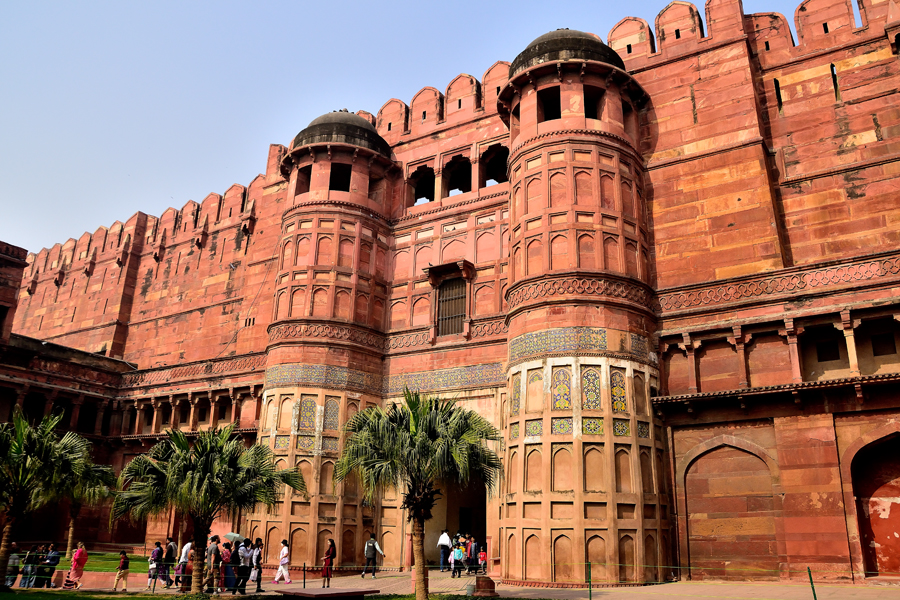
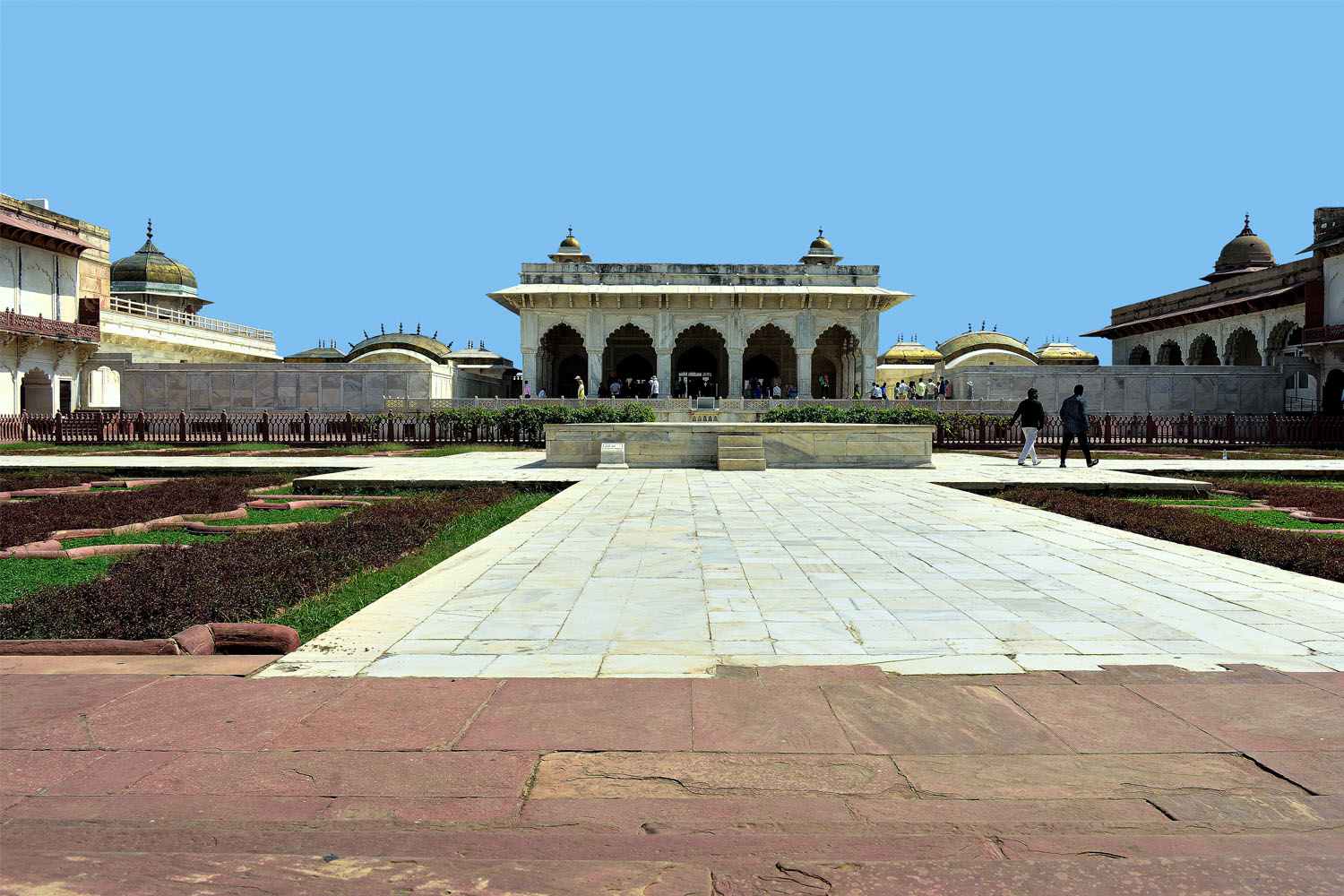
Agra Fort - foundation led by the emperor Akbar, four of the mighty Mughal rulers controlled their vast empire from here. Built by successive emperors, the fort consists of residential palaces, private and public courts, courtyards, social areas, and private mosques - famous amongst them are Jahangiri Mahal, Khass Mahal, Diwan-i-Khass, Diwan-i-Am, Machchhi Bhawan and Moti Masjid etc. All these buildings represent the excellence of Mughal architecture. Fort also serves as a vantage point to view the Taj Mahal from a distance and it is recorded that emperor Shah Jahan spent his last days in exile watching the Taj Mahal from here.
The visit of the Agra Fort will be followed by drive to the Delhi International Airport (210 Km) to connect the flight to onward destination.
Site by Naulak Web Design.